


7 Types of Reflective Lighting Systems for Healthcare Facilities
- Dimitri

- Dec 21, 2025
- 11 min read
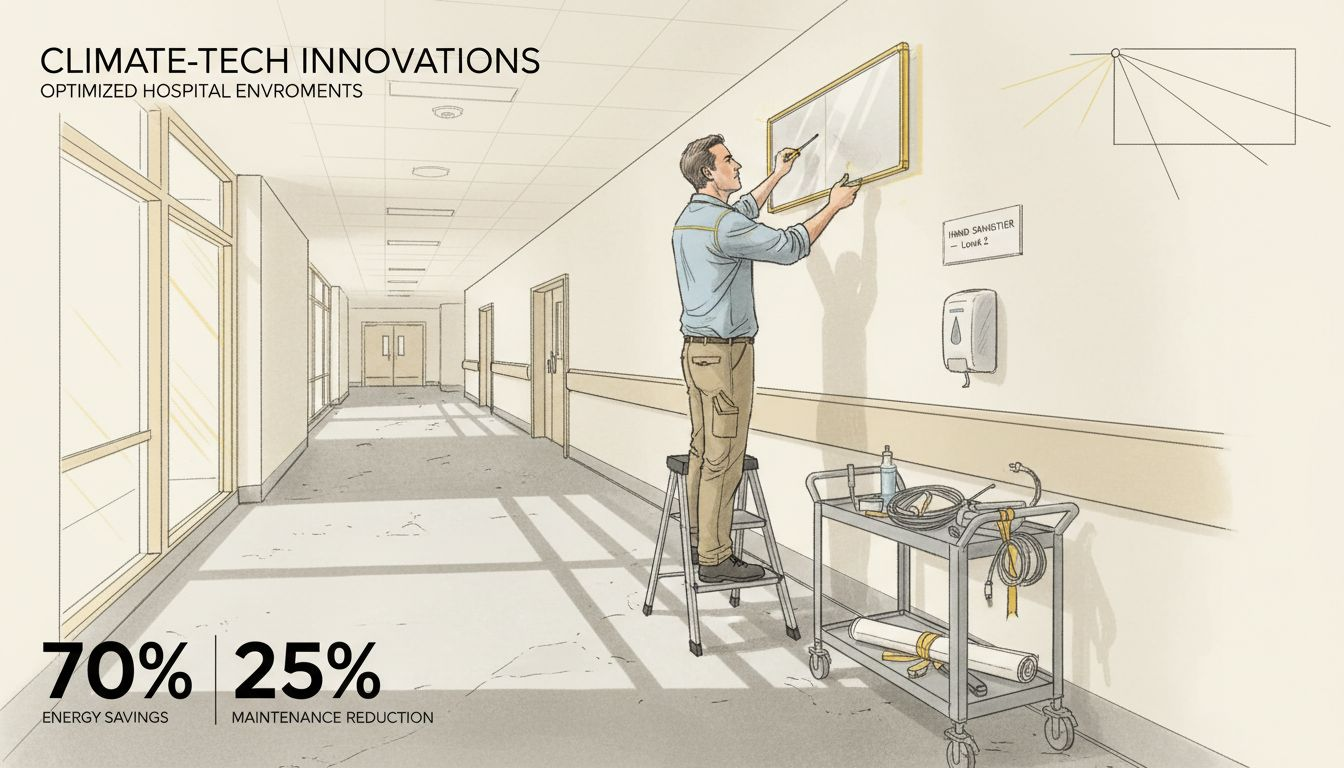
Over 30 percent of British healthcare buildings now incorporate advanced daylighting technologies to promote patient recovery and staff well-being. As natural light becomes central to modern hospital and clinic design, facility managers and architects across the United Kingdom are searching for effective solutions that balance visual comfort with energy efficiency. Explore how new systems like sunlight redirection panels, smart glazing, and AI controlled mirrors are transforming the healthcare experience through brilliant, healthy illumination.
Table of Contents
Quick Summary
Key Insight | Clarification |
1. Emphasise Natural Light Solutions | Implement systems like sunlight redirection panels and light shelves to enhance natural lighting in healthcare environments. |
2. Collaborate with Experts | Involve architects, lighting engineers, and healthcare design specialists for optimal system integration and light distribution. |
3. Prioritise Patient Well-being | Ensure designs support psychological health by contributing to environments that regulate circadian rhythms and enhance mood. |
4. Conduct Comprehensive Evaluations | Assess site-specific conditions such as orientation and solar trajectories to maximise natural light effectiveness. |
5. Leverage Smart Technology | Use automated systems and smart glazing to dynamically manage light and thermal dynamics for improved energy efficiency. |
1. Direct Sunlight Redirection Panels
Direct sunlight redirection panels represent a sophisticated architectural solution designed to optimise natural illumination within healthcare environments. These innovative systems strategically capture and guide sunlight into interior spaces, transforming how medical facilities approach lighting design and patient well-being.
The core principle behind these panels involves using microstructured glass technologies that precisely redirect solar radiation without causing uncomfortable glare. A groundbreaking study demonstrates how non-tracking microstructured light redirecting devices can effectively integrate into architectural glass, creating optimal lighting conditions in challenging healthcare settings.
Healthcare facilities benefit significantly from these panels by reducing artificial lighting requirements and improving patient recovery environments. The panels work by capturing incoming sunlight at specific angles and dispersing it evenly across interior spaces, ensuring consistent illumination without sharp shadows or intense bright spots that might cause visual discomfort.
Implementing direct sunlight redirection panels requires careful architectural planning and understanding of building orientation, window placement, and local solar trajectories. Architects and facility managers must collaborate to analyse site-specific conditions such as geographical latitude, seasonal sun paths, and surrounding architectural obstacles that might impact light transmission.
Beyond energy efficiency, these panels contribute to improved patient psychological well-being. Natural light has been scientifically proven to regulate circadian rhythms, enhance mood, and potentially accelerate healing processes. By providing gentle, diffused illumination, direct sunlight redirection panels create healing environments that support holistic patient care.
Pro tip: When designing healthcare spaces with sunlight redirection panels, consult with both lighting engineers and healthcare design specialists to ensure optimal panel placement and maximum therapeutic light distribution.
2. Light Shelves for Natural Daylight Distribution
Light shelves represent an ingenious architectural solution designed to transform how natural illumination is distributed within healthcare spaces. These horizontal architectural elements serve as sophisticated solar management systems that capture and redirect sunlight deep into interior environments.
Research demonstrates that multiple light shelves can effectively distribute natural light across interior spaces, reducing glare and maintaining comfortable room temperatures. By strategically positioning these horizontal panels, healthcare facilities can dramatically improve interior lighting conditions without relying extensively on artificial illumination.
The fundamental mechanism of light shelves involves reflecting sunlight upwards towards the ceiling, which then diffuses the light evenly throughout the room. This technique ensures that natural light penetrates deeper into healthcare spaces, reaching areas traditionally challenged by limited window access. The upper portion of the shelf reflects sunlight, while the lower section provides shading and reduces direct solar heat gain.
Specific research indicates that horizontal light shelves can increase interior illuminance by an average of 21%, presenting a significant improvement in natural lighting strategies. This enhanced illumination can positively impact patient recovery environments, staff productivity, and overall spatial ambience in healthcare settings.
Implementing light shelves requires careful architectural planning, considering factors such as building orientation, window dimensions, and local solar trajectories. Architects must analyse precise angles and reflective surfaces to maximise light distribution while minimising potential glare or thermal discomfort.
Pro tip: When designing light shelves for healthcare facilities, collaborate with both lighting engineers and healthcare design specialists to ensure optimal light distribution that supports patient healing and staff well-being.
3. Automated Mirror Arrays with AI Control
Automated mirror arrays with artificial intelligence control represent a cutting-edge solution for dynamic natural lighting management in healthcare environments. These sophisticated systems leverage advanced computational technologies to optimise sunlight distribution and environmental comfort.
Emerging research demonstrates innovative micropatterned directional emitters can passively regulate building temperatures through strategic sunlight reflection, presenting remarkable potential for healthcare facility design. By integrating artificial intelligence algorithms, these mirror arrays can dynamically adjust their orientation and reflective angles in real time, responding to changing solar conditions throughout the day.
The core functionality of these systems involves multiple precision mirrors connected to an intelligent control network. Embedded sensors continuously monitor environmental parameters such as sunlight intensity, room temperature, patient positioning, and ambient lighting conditions. The AI algorithms then instantaneously calculate and execute optimal mirror positioning to maximise natural illumination while minimising potential glare or thermal discomfort.
Healthcare facilities benefit significantly from this technology through improved patient recovery environments, reduced energy consumption, and enhanced staff working conditions. The system’s ability to create transparent radiative cooling photonic structures with high near-infrared reflection offers substantial advantages in managing building thermal dynamics.
Implementing automated mirror arrays requires comprehensive architectural planning, integrating advanced sensor networks, robust computational infrastructure, and precise optical engineering. Facility managers must collaborate closely with technological specialists to ensure seamless system integration and optimal performance.
Pro tip: When designing AI controlled mirror array systems, prioritise modular configurations that allow incremental upgrades and ensure compatibility with existing building management infrastructure.
4. Fibre Optic Daylighting Channels
Fibre optic daylighting channels represent an innovative architectural solution for transporting natural light through complex building structures, offering unprecedented flexibility in illuminating healthcare environments. These sophisticated systems capture sunlight at exterior points and transmit it through specialised optical fibres, delivering pure, diffused natural illumination to interior spaces.
Comprehensive guidelines for daylight redirection devices highlight the potential of fibre optic systems to distribute sunlight deeper into healthcare facilities, creating luminous environments that support patient healing and staff well-being. The technology involves strategically positioned collection points that capture solar radiation and transport it through flexible, highly efficient optical channels.
The fundamental mechanism relies on precise light transmission principles. Specialised glass or polymer fibres with advanced optical coatings capture sunlight at collection points, then guide the light through complex pathways without significant energy loss. Unlike traditional windows, these channels can transport natural illumination around architectural obstacles, reaching deep interior zones that conventional lighting solutions cannot penetrate.
Healthcare facilities benefit immensely from fibre optic daylighting channels by creating consistent, glare-free illumination in critical areas such as operating theatres, recovery rooms, and diagnostic centres. The systems offer remarkable design flexibility, allowing natural light to reach windowless spaces while maintaining strict environmental control and patient privacy.
Implementing fibre optic daylighting requires collaboration between architects, lighting engineers, and healthcare design specialists. Factors such as building orientation, local solar conditions, and specific spatial requirements must be meticulously evaluated to ensure optimal light transmission and distribution.
Pro tip: When designing fibre optic daylighting systems, conduct comprehensive light performance simulations to map precise illumination trajectories and ensure uniform light distribution across target healthcare spaces.
5. Ceiling and Wall-Mounted Reflector Systems
Ceiling and wall-mounted reflector systems represent sophisticated architectural solutions designed to optimise natural light distribution within complex healthcare environments. These innovative installations transform how interior spaces capture, redirect, and utilise daylight through strategically positioned reflective surfaces.
Advanced research demonstrates the potential of location-aware light technologies to improve indoor light uniformity, offering healthcare facilities unprecedented control over illumination dynamics. The core mechanism involves precision-engineered reflective panels mounted on ceilings and walls that capture incoming sunlight and redistribute it evenly across interior spaces.
The fundamental engineering principle behind these systems relies on carefully calculated surface angles and reflective materials. Specialised reflectors are designed to capture solar radiation from windows or exterior openings, then mathematically redirect light deeper into rooms, minimising shadows and creating consistent, glare-free illumination. Scientific research has developed sophisticated specifications for determining optimal reflector configurations based on interior space characteristics, ensuring maximum light penetration and distribution.
Healthcare facilities benefit substantially from these systems by creating healing environments that support patient recovery, enhance staff productivity, and reduce reliance on artificial lighting. The reflector systems can be customised to address specific spatial challenges such as deep interior rooms, corridors, and areas with limited natural light access.
Implementing ceiling and wall-mounted reflector systems requires comprehensive architectural planning, involving collaboration between lighting engineers, healthcare designers, and building specialists. Factors such as building orientation, local solar conditions, and specific spatial requirements must be meticulously evaluated to ensure optimal light transmission.
Pro tip: When designing reflector systems, conduct comprehensive light performance simulations to map precise illumination trajectories and ensure uniform light distribution across different healthcare spaces.
6. Smart Glazing and Reflective Glass Solutions
Smart glazing and reflective glass solutions represent a revolutionary approach to managing natural light and thermal dynamics within healthcare environments. These advanced architectural materials go far beyond traditional window technologies, offering intelligent responses to changing environmental conditions.
Cutting-edge research explores micropatterned directional emitters integrated into smart glazing systems, enabling passive thermoregulation and sophisticated light management. The fundamental technology involves specially engineered glass layers embedded with microscopic structures that can dynamically adjust their light transmission and thermal properties in real time.
The core functionality of these intelligent glass solutions includes multiple sophisticated capabilities. Embedded sensors and adaptive materials can automatically modulate light penetration, reduce glare, control solar heat gain, and maintain optimal interior temperature conditions. This dynamic responsiveness ensures consistent visual comfort and energy efficiency in critical healthcare spaces.
Healthcare facilities benefit immensely from smart glazing technologies by creating healing environments that support patient recovery while simultaneously reducing energy consumption. Transparent radiative cooling photonic structures offer remarkable potential for minimising heat gain in medical buildings, contributing to both patient comfort and sustainable design principles.
Implementing smart glazing requires comprehensive collaboration between architects, materials engineers, and healthcare design specialists. Factors such as local climate conditions, building orientation, and specific spatial requirements must be meticulously evaluated to ensure optimal performance and integration.
Pro tip: When selecting smart glazing solutions, prioritise systems with comprehensive performance data and ensure compatibility with your specific healthcare facility’s environmental control infrastructure.
7. Hybrid Reflective and Artificial Lighting Integration
Hybrid reflective and artificial lighting integration represents a sophisticated approach to creating optimal illumination environments in healthcare facilities. This innovative strategy combines natural light redirection technologies with intelligent artificial lighting systems to deliver consistent, therapeutic lighting conditions.
Advanced research highlights the potential of intelligent phototherapy light systems that integrate comprehensive sensor monitoring, demonstrating the transformative potential of hybrid lighting approaches. The core principle involves seamlessly blending natural daylight capture mechanisms with programmable artificial lighting networks, creating adaptive illumination environments that respond dynamically to changing healthcare space requirements.
The fundamental mechanism of hybrid lighting systems relies on sophisticated sensors and computational algorithms that continuously assess ambient light conditions, patient needs, and specific spatial requirements. These systems can automatically adjust artificial lighting intensity, colour temperature, and distribution to complement and extend natural light penetration, ensuring consistent visual comfort throughout different times of day and varying environmental conditions.
Comprehensive research underscores the profound impact of integrated lighting strategies on healthcare outcomes, revealing that thoughtful light management can significantly influence patient recovery, staff productivity, and overall well-being. By creating lighting environments that mimic natural circadian rhythms, hybrid systems support physiological healing processes and psychological comfort.
Implementing hybrid reflective and artificial lighting integration requires multidisciplinary collaboration between architects, lighting engineers, healthcare designers, and technological specialists. Careful consideration must be given to factors such as building orientation, patient room configurations, and specific medical functional requirements.
Pro tip: When designing hybrid lighting systems, prioritise solutions with granular control capabilities and comprehensive environmental sensing to ensure adaptive, patient-centred illumination strategies.
The table below summarises architectural solutions for optimising natural illumination in healthcare environments, highlighting their mechanisms, benefits, and implementation strategies.
Solution | Mechanism | Key Benefits |
Direct Sunlight Redirection Panels | Microstructured glass technologies redirect solar radiation seamlessly. | Improved natural lighting reduces artificial lighting needs and enhances patient recovery environments. |
Light Shelves | Capture and redirect sunlight towards ceilings for even distribution. | Increases interior illuminance by 21%, lowering reliance on artificial lighting. |
Automated Mirror Arrays with AI Control | Use AI and sensors to dynamically adjust mirrors for optimal light. | Enhances natural illumination, reduces energy use, and improves patient environments. |
Fibre Optic Daylighting Channels | Transmit sunlight through optical fibres to deep interior zones. | Provides consistent, glare-free light in critical areas, supporting patient healing. |
Ceiling and Wall-Mounted Reflector Systems | Reflective panels redirect sunlight within rooms for uniform lighting. | Creates glare-free, healing environments that boost recovery and productivity. |
Smart Glazing and Reflective Glass Solutions | Adaptive glass layers adjust to control light and heat. | Sustainable design improves comfort and reduces energy consumption. |
Hybrid Reflective and Artificial Lighting Integration | Combines natural light capture with programmable artificial systems. | Supports circadian rhythms, enhancing patient recovery and staff well-being. |
Harness Advanced Reflective Lighting for Healthier Care Spaces
Healthcare facilities face the constant challenge of maximising natural light while minimising glare and heat gain to create healing environments that boost patient recovery and staff well-being. This article highlights innovative reflective lighting systems such as direct sunlight redirection panels and AI-controlled automated mirror arrays that dynamically optimise daylight distribution. These solutions address key pain points including uneven illumination, excessive artificial lighting dependency, and thermal discomfort across complex hospital interiors.
At LightMirror, we specialise in proprietary reflective panel technologies that seamlessly integrate advanced physics and AI algorithms to redirect natural sunlight deep into healthcare facilities. Our approach not only supports significant energy savings and sustainable design aligned with BREEAM and LEEDS standards but also transforms healthcare interiors into uplifting spaces. Explore our thoughtfully crafted collections like Saaremaa lighthouse | LightMirror 2023 and Calming sand | LightMirror 2023 to discover options tailored to enhance natural light while reducing artificial lighting demand.
Take the next step towards a healthier, more energy-efficient healthcare environment by visiting LightMirror now. Collaborate with our experts to customise a reflective lighting system that meets your facility’s unique needs and embraces cutting-edge sustainable innovation.
Frequently Asked Questions
What are direct sunlight redirection panels and how do they benefit healthcare facilities?
Direct sunlight redirection panels are architectural systems designed to capture and redirect natural sunlight into healthcare spaces. They can significantly reduce the reliance on artificial lighting, enhancing patient recovery environments. To maximise their effectiveness, consult with architects to plan optimal panel placement based on your facility’s layout and orientation.
How can light shelves improve natural light distribution in healthcare settings?
Light shelves are horizontal architectural elements that reflect sunlight upwards, allowing it to diffuse deeper into interior spaces. This can enhance the ambient light conditions and improve patient comfort. To implement light shelves effectively, collaborate with architects to assess your building’s orientation and window dimensions for optimal performance.
What role do automated mirror arrays with AI control play in lighting management?
Automated mirror arrays utilise artificial intelligence to adjust their angles based on sunlight intensity and room conditions, optimising natural light distribution. This technology can improve patient recovery experiences by maintaining a more consistent and glare-free environment. Ensure that your design integrates robust sensor networks and computational infrastructure for best results.
How do fibre optic daylighting channels function, and what are their advantages?
Fibre optic daylighting channels transport natural light through specially designed optical fibres, delivering consistent illumination to interior spaces, even those without windows. This method offers flexibility in design and ensures that glare-free lighting reaches challenging areas. To implement fibre optics effectively, conduct thorough evaluations of your building’s architectural requirements to maximise light transmission.
What are the benefits of integrating smart glazing and reflective glass solutions?
Smart glazing and reflective glass automatically adjust their properties to manage light and thermal conditions effectively. This technology reduces energy consumption while enhancing patient comfort in healthcare settings. When selecting smart glazing, ensure compatibility with your facility’s current environmental control systems for efficient integration.
How does hybrid reflective and artificial lighting integration work in healthcare facilities?
Hybrid lighting integration combines natural light redirection with programmable artificial lighting, creating dynamic lighting conditions that adapt to changing needs. This approach can significantly improve patient recovery and staff productivity. To design hybrid systems, prioritise sensor capabilities that allow for real-time adjustments to lighting conditions, ensuring consistent comfort throughout the day.
Recommended
Comments