


Technology in Energy Savings – Transforming Healthcare
- Dimitri

- Jan 14
- 7 min read
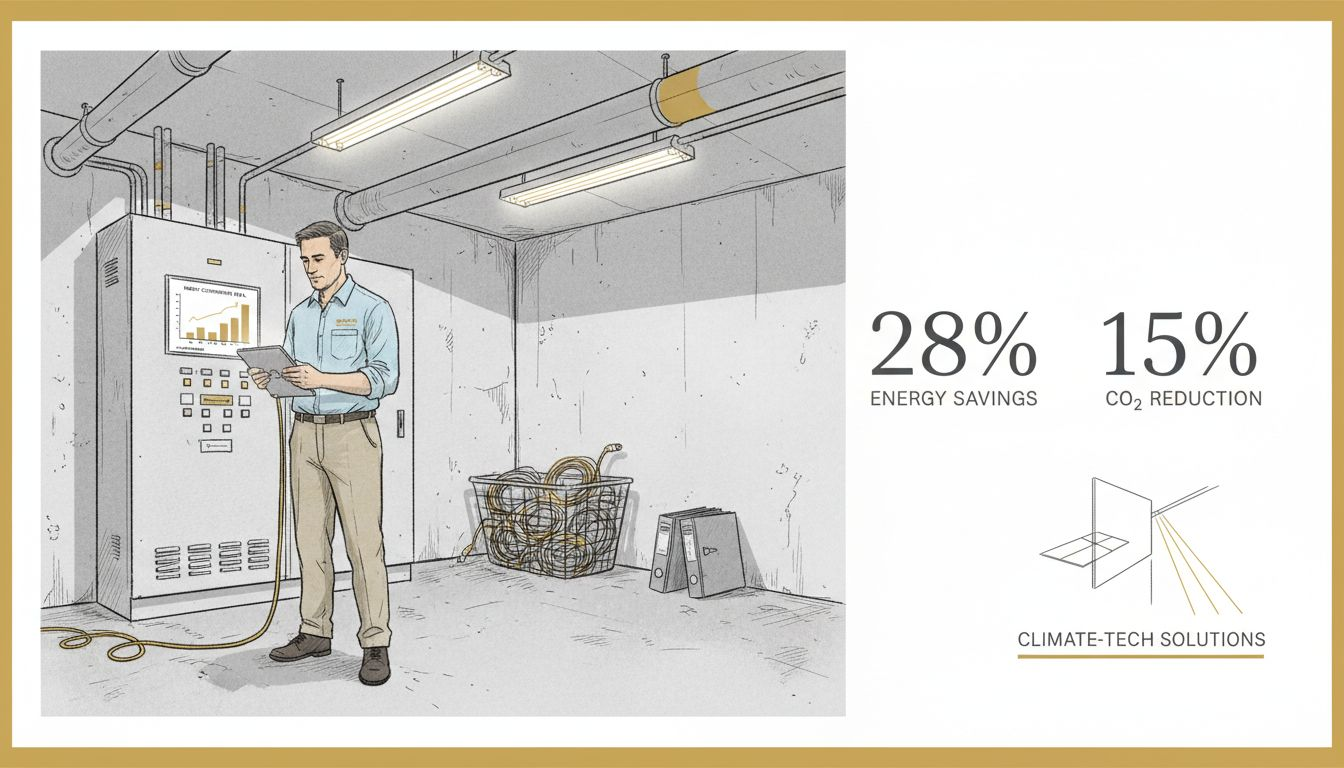
Nearly 80% of british hospitals and care homes report that rising energy costs are outpacing their operational budgets. For facility managers across Europe, balancing energy efficiency with the highest standards of patient care is now a daily challenge. From London to Paris, adopting innovative technologies directly impacts both sustainability goals and the comfort of vulnerable patients. This article reveals practical ways to harness advanced tools that cut costs and support healthier living spaces across the british healthcare landscape.
Table of Contents
Key Takeaways
Point | Details |
Energy Management Technologies | Advanced smart infrastructure and AI-driven tools optimise energy usage in healthcare settings, leading to reduced carbon emissions and operational costs. |
Sustainable Lighting Solutions | Innovative lighting systems enhance patient care and staff productivity while significantly lowering energy consumption through adaptive technology. |
Comprehensive Sustainability Strategies | Embedding sustainability into healthcare operations fosters environmental responsibility while improving patient outcomes and institutional resilience. |
Green Compliance and Financial Incentives | Adherence to sustainability standards and leveraging financial incentives promote the adoption of green technologies in healthcare organisations. |
Technology’s Role in Healthcare Energy Savings
Healthcare facilities represent significant energy consumers, with substantial potential for technological interventions that simultaneously reduce carbon emissions and operational costs. Healthcare energy consumption patterns reveal a complex landscape where technological advancements create both challenges and opportunities for sustainability.
Emerging technologies are transforming energy management in healthcare environments through multiple strategic approaches. Advanced smart infrastructure systems now enable real-time monitoring of energy utilisation, allowing hospitals to implement precise interventions. These technologies include AI-driven diagnostic tools, renewable energy integration systems, and intelligent building management platforms that dynamically adjust energy consumption based on occupancy and operational requirements.
Specific technological interventions include solar-responsive lighting systems, energy-efficient medical equipment, and telemedicine platforms that reduce physical infrastructure demands. By leveraging AI-powered diagnostic technologies, healthcare institutions can simultaneously improve patient care and reduce their carbon footprint. These innovations represent a holistic approach to sustainable healthcare delivery, balancing technological advancement with environmental responsibility.
Professional Tip: Conduct a comprehensive energy audit using AI-enabled monitoring tools to identify precise opportunities for technological energy optimisation in your healthcare facility.
Here is a comparison of key technological interventions for healthcare energy savings:
Intervention Type | Primary Benefit | Example Technology |
Smart Infrastructure | Precision in energy use | Real-time monitoring platforms |
Renewable Energy Integration | Reduced carbon emissions | Solar-responsive lighting systems |
AI-Driven Tools | Improved operational decisions | AI-powered diagnostics |
Telemedicine Platforms | Minimise facility utilisation | Remote patient consultations |
Innovative Lighting Solutions for Hospitals
Hospital lighting represents a critical intersection of patient care, staff performance, and energy efficiency. Advanced LED lighting solutions are revolutionising healthcare environments by providing adaptable illumination that supports medical precision while simultaneously reducing energy consumption.
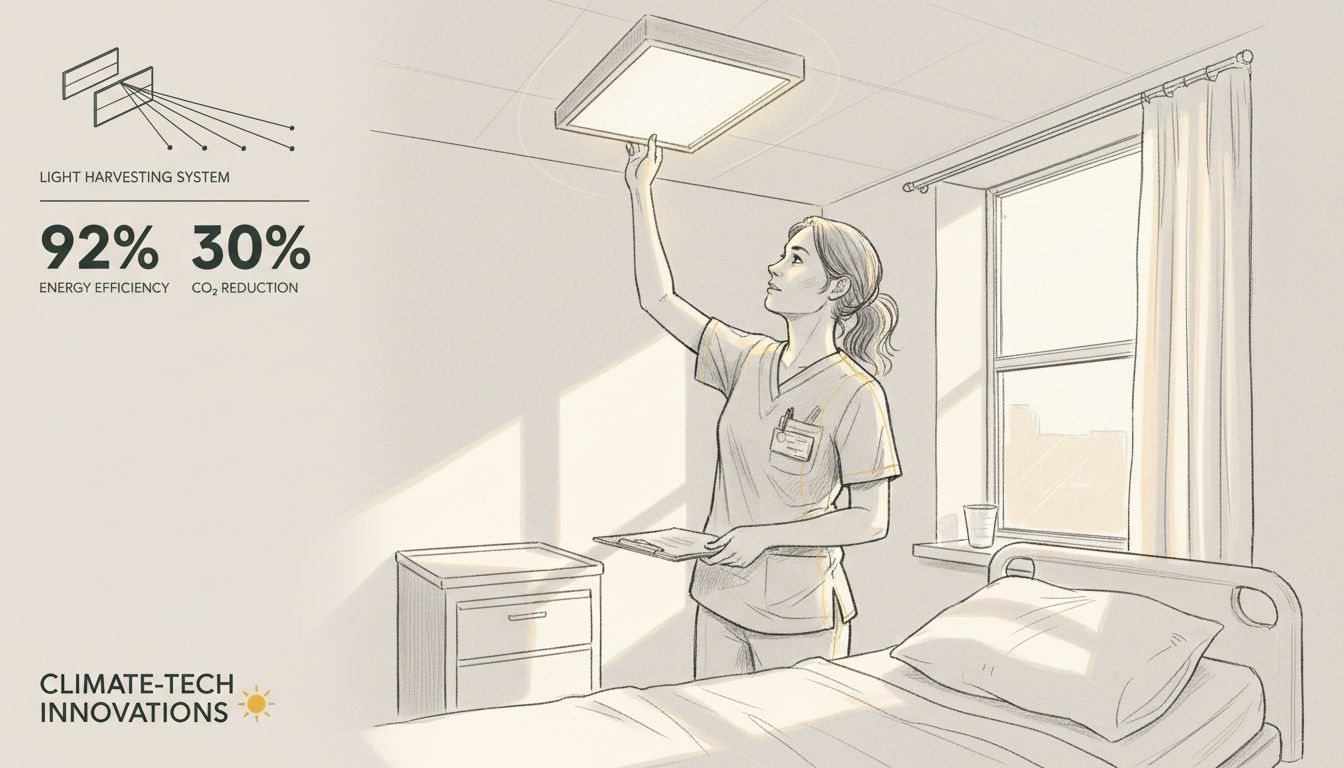
Modern hospital lighting technologies go far beyond simple illumination. Intelligent lighting systems now incorporate circadian rhythm support, which helps regulate patient sleep cycles and staff alertness. These sophisticated solutions can dynamically adjust colour temperature and brightness throughout the day, mimicking natural light patterns that promote healing and reduce stress. Hospital lighting innovations can achieve up to 50% energy savings while creating environments that actively contribute to patient recovery and staff well-being.
Key technological features of innovative hospital lighting include UV-C disinfection capabilities, motion-sensing controls, and personalised illumination zones that can be tailored to specific medical requirements. Such systems not only reduce energy consumption but also enhance infection control protocols and create more comfortable, responsive healing environments. By integrating smart sensors and adaptive technologies, hospitals can transform lighting from a passive infrastructure element into an active contributor to healthcare quality.
Pro Tip: Consider implementing a gradual lighting transition programme that allows for precise control of illumination levels across different hospital departments to maximise energy efficiency and patient comfort.
Smart Controls and AI in Energy Management
The integration of artificial intelligence in healthcare energy management represents a transformative approach to sustainable facility operations. AI-driven energy management models are revolutionising how hospitals approach resource efficiency, offering unprecedented insights into energy consumption patterns and potential optimisation strategies.
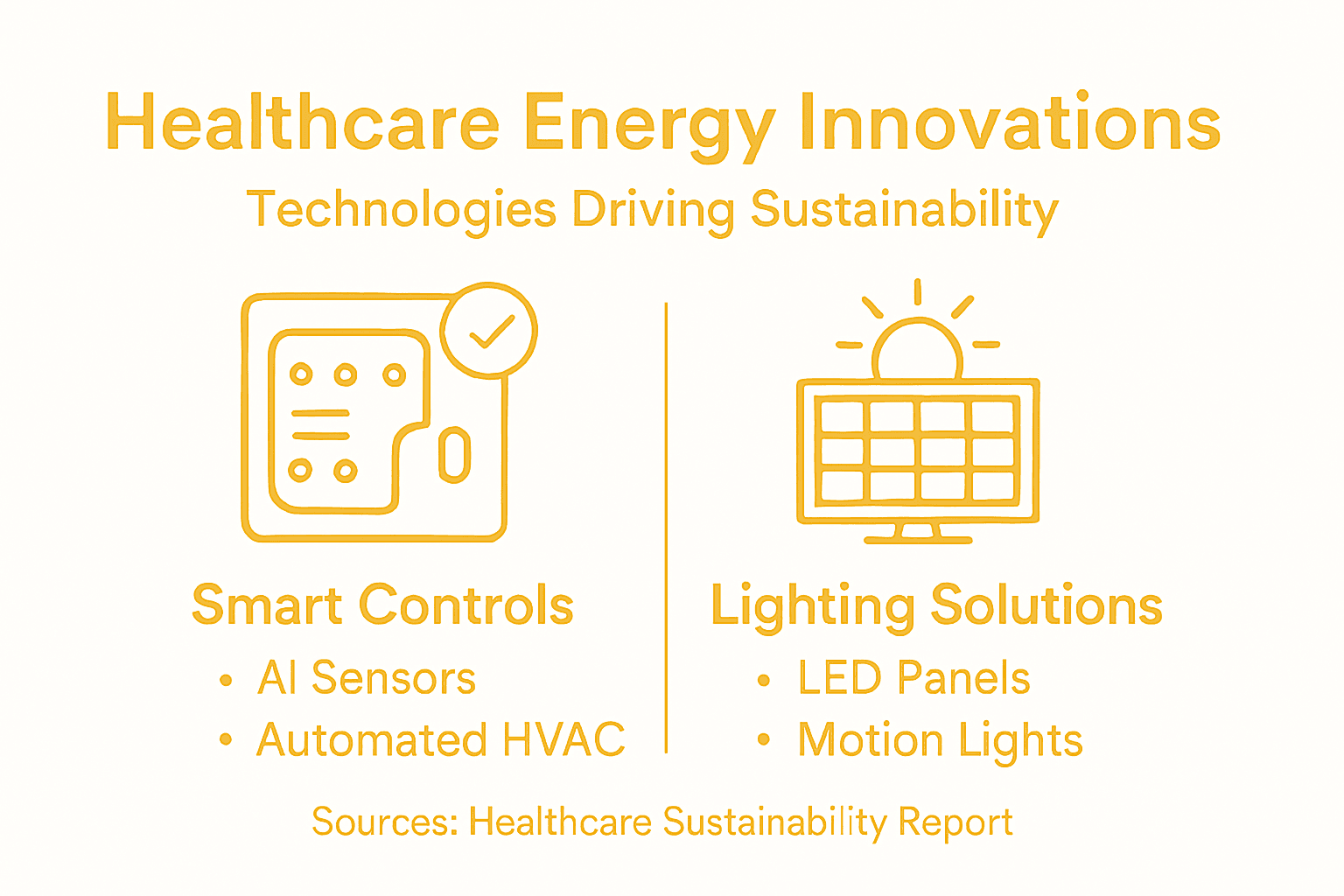
Smart control systems leverage advanced algorithms to dynamically monitor and adjust energy utilisation across complex healthcare environments. These intelligent platforms can predict potential inefficiencies, analyse real-time consumption data, and automatically implement energy-saving interventions. Predictive load forecasting techniques enable hospitals to anticipate and mitigate energy waste, creating more responsive and adaptive infrastructure that responds intelligently to changing operational demands.
Key technological capabilities of AI-powered energy management include anomaly detection, predictive maintenance, and granular consumption tracking. These systems can identify subtle inefficiencies that traditional monitoring methods might overlook, providing healthcare facilities with actionable insights to reduce operational costs and minimise environmental impact. By integrating machine learning algorithms with comprehensive sensor networks, hospitals can transform energy management from a reactive process to a proactive, intelligence-driven strategy that supports both financial and sustainability objectives.
Pro Tip: Implement a phased AI integration approach, starting with pilot departments to demonstrate tangible energy savings and build organisational confidence in smart control technologies.
Health and Sustainability Impact in Care Settings
The healthcare sector stands at a critical juncture where environmental sustainability directly intersects with patient care and institutional resilience. Sustainable healthcare initiatives are transforming how medical facilities approach their operational and environmental responsibilities, recognising that health systems must become proactive agents of ecological preservation.
Climate change presents profound challenges to healthcare infrastructure, demanding comprehensive strategies that address both mitigation and adaptation. Healthcare system resilience now requires embedding sustainability deeply into operational frameworks, considering how environmental factors directly impact population health outcomes. This approach involves reimagining healthcare facilities as dynamic ecosystems that contribute positively to community well-being and environmental protection.
Key sustainability interventions in healthcare settings include implementing energy-efficient technologies, reducing waste streams, promoting circular economy principles, and developing green infrastructure designs. These strategies not only minimise environmental footprints but also create healthier healing environments that support patient recovery and staff well-being. By integrating sustainable practices across clinical, operational, and architectural domains, healthcare institutions can simultaneously address ecological challenges and enhance healthcare delivery quality.
Pro Tip: Develop a comprehensive sustainability roadmap that aligns environmental goals with patient care objectives, involving staff at all levels to ensure meaningful and lasting institutional transformation.
Compliance with Green Standards and Incentives
Healthcare institutions are increasingly navigating complex environmental regulations and sustainability standards that demand strategic transformation. Global sustainability standards are reshaping institutional approaches, creating comprehensive frameworks that address governance, resource management, and ecological responsibility.
The evolving landscape of green compliance involves multifaceted considerations beyond traditional regulatory requirements. Modern healthcare organisations must integrate sustainability into core operational strategies, considering aspects like carbon footprint reduction, circular economy principles, and employee engagement. These approaches require sophisticated measurement tools, comprehensive reporting mechanisms, and proactive environmental management techniques that extend far beyond simple regulatory checklists.
Financial mechanisms play a crucial role in driving sustainability adoption. Financial incentive models are emerging as powerful tools to encourage healthcare institutions to implement green technologies and practices. These innovative approaches include performance-based payment structures, shared savings programmes, and targeted investment frameworks that directly reward organisations demonstrating meaningful environmental improvements and energy efficiency achievements.
The following table summarises the main financial incentives supporting green compliance in healthcare:
Incentive Model | How It Motivates Change | Common Application Area |
Performance-based Payments | Rewards measurable efficiency gains | Energy reduction targets |
Shared Savings Programmes | Shares cost savings with providers | Upgrades for building efficiency |
Targeted Investment Funds | Direct investment in green projects | Installation of renewable systems |
Pro Tip: Develop a cross-departmental sustainability committee with clear metrics and accountability to systematically track and implement green compliance initiatives across your healthcare organisation.
Discover How Innovative Lighting Solutions Can Transform Energy Savings in Healthcare
Healthcare facilities face the ongoing challenge of balancing operational efficiency with environmental responsibility. As the article emphasises, integrating technology like smart infrastructure and AI-driven energy management is crucial to reducing energy consumption while improving patient care environments. One common pain point is managing energy costs without compromising natural light exposure that supports healing and staff wellbeing.
At Light Mirror, we specialise in sustainable lighting technologies designed specifically for healthcare settings. Our proprietary system redirects natural sunlight deep into hospital and care home interiors using reflective panels combined with AI algorithms and environmental sensors. This approach reduces reliance on artificial lighting and heating, producing significant energy savings aligned with green building standards such as BREEAM and LEEDS. By enhancing natural light exposure, we help improve patient recovery and boost staff performance.
Embrace the future of energy-efficient healthcare infrastructure with our full-service offerings including feasibility studies, installation, and ongoing support. If you are ready to achieve smarter energy management and create healthier environments, explore our innovative solutions at Light Mirror and see how natural daylight can redefine your facility’s sustainability efforts. Act now to lead your healthcare organisation toward a transformative, sustainable future.
Frequently Asked Questions
What are some examples of technologies that can reduce energy consumption in healthcare?
Emerging technologies in healthcare energy savings include smart infrastructure systems for real-time monitoring, AI-driven diagnostic tools, renewable energy integration systems, energy-efficient medical equipment, and telemedicine platforms that minimise physical infrastructure demands.
How can smart lighting solutions contribute to energy savings in hospitals?
Advanced LED lighting solutions and intelligent lighting systems can support circadian rhythms and reduce energy consumption by adjusting brightness and colour temperature according to natural light patterns, offering potential energy savings of up to 50% while improving patient recovery and staff well-being.
What role does AI play in energy management for healthcare facilities?
AI enhances energy management by offering predictive load forecasting, dynamic monitoring, anomaly detection, and predictive maintenance, thereby identifying inefficiencies and optimising energy utilisation, which supports cost reduction and sustainability objectives.
How do financial incentives promote green compliance in healthcare institutions?
Financial incentive models, such as performance-based payments and shared savings programmes, encourage healthcare organisations to adopt energy-efficient practices by rewarding measurable improvements in sustainability and resource management.
Recommended
Comments