


Solar Lighting Systems: Enhancing Healthcare Environments
- Dimitri

- Jan 11
- 8 min read
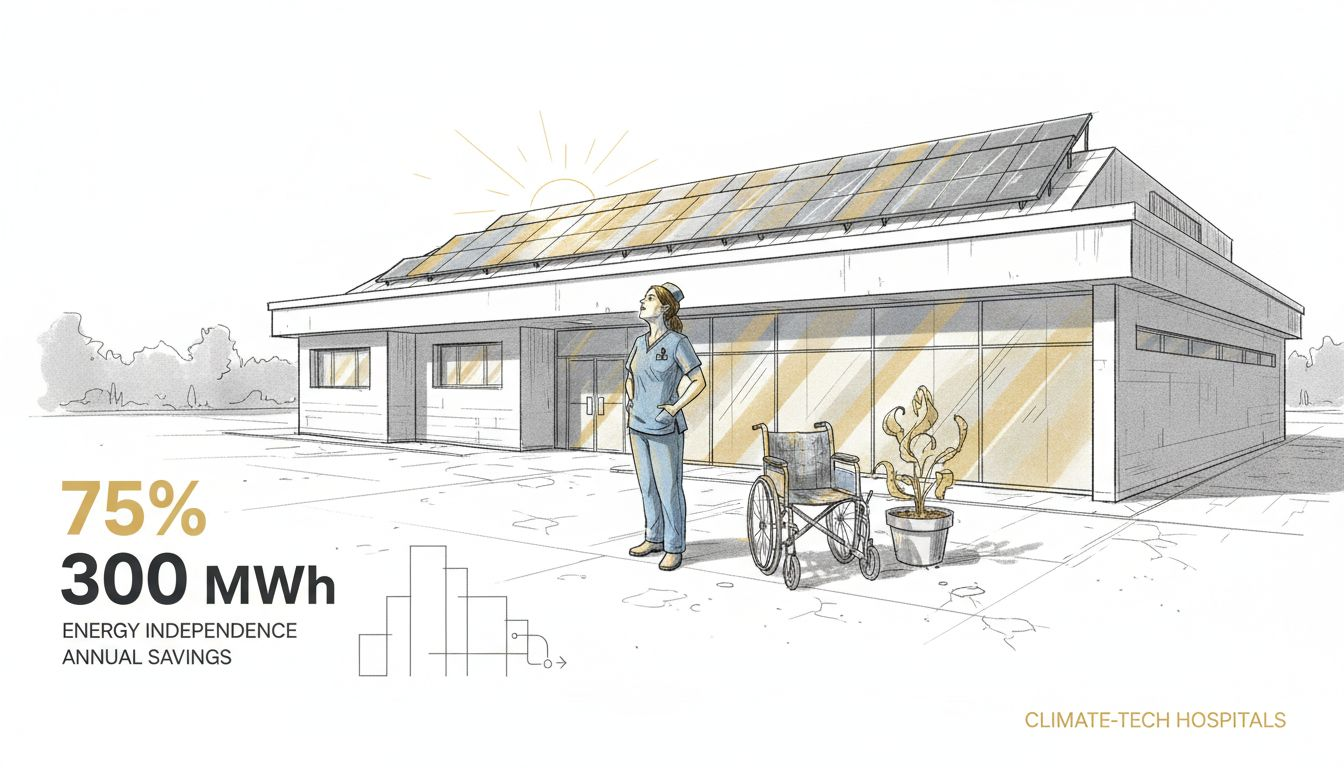
More than 60 percent of British and other European healthcare facilities now consider natural light a key factor in renovation projects. Facility managers know that brighter patient rooms do more than save electricity. They can speed up recovery times and lower anxiety levels. This piece explains how modern solar lighting systems let British managers reclaim sunlit spaces, create comfort for patients, and shrink operational costs using proven, sustainable technology.
Table of Contents
Key Takeaways
Point | Details |
Solar Lighting Systems Enhance Healthcare | These systems provide sustainable lighting solutions, reducing utility costs while supporting patient recovery through well-designed natural illumination. |
Variants Offer Flexibility | Different solar lighting variants cater to diverse healthcare needs, from integrated panels to standalone units, enabling tailored solutions. |
Optimise for Patient Well-being | Effective natural light management can significantly improve patient mood and recovery, highlighting the therapeutic benefits of sunlight in medical settings. |
Navigating Implementation Challenges | Successful solar lighting adoption requires careful financial planning and technical compliance to integrate with existing healthcare infrastructure. |
What Are Solar Lighting Systems?
Solar lighting systems are sophisticated technological solutions that harness sunlight to generate electricity and provide illumination, particularly transforming how healthcare environments manage their lighting infrastructure. These innovative systems utilise photovoltaic technologies to convert solar radiation directly into usable electrical energy, creating sustainable and energy-efficient lighting solutions.
At their core, solar lighting systems consist of several critical components: solar panels that capture sunlight, photovoltaic cells that convert solar energy into electricity, rechargeable batteries for energy storage, and LED light fixtures designed for optimal performance. In healthcare settings, these systems can be integrated into both indoor and outdoor spaces, providing consistent, reliable lighting without increasing electric utility costs. The panels strategically capture sunlight throughout the day, storing excess energy in high-capacity batteries to ensure continuous illumination during nighttime or low-light conditions.
The functionality of solar lighting systems extends beyond simple energy generation. Modern systems incorporate advanced features like automatic light intensity adjustment, motion sensors, and environmental monitoring capabilities. These intelligent design elements enable healthcare facilities to optimise their lighting infrastructure, reducing energy consumption while maintaining high-quality illumination standards. By leveraging solar energy technologies, healthcare environments can create more sustainable, cost-effective, and patient-friendly spaces that support healing and well-being.
Pro tip: When implementing solar lighting systems in healthcare environments, conduct a comprehensive site assessment to determine optimal panel placement and potential shading challenges that might impact energy generation efficiency.
Variants of Solar Lighting for Healthcare
Healthcare environments require sophisticated and versatile solar lighting solutions that can adapt to complex operational requirements. Photovoltaic technology advancements have enabled the development of multiple solar lighting variants specifically designed to meet the nuanced needs of medical facilities, ranging from patient care areas to research laboratories.
The primary variants of solar lighting systems in healthcare settings include integrated photovoltaic panels, standalone solar lights, and building-integrated photovoltaic solutions. Integrated photovoltaic panels can be seamlessly incorporated into existing building structures, generating electricity while providing natural illumination. Standalone solar lights offer flexibility for outdoor healthcare spaces like healing gardens, walkways, and parking areas, ensuring energy-efficient lighting without additional electrical infrastructure. Building-integrated photovoltaics represent the most advanced variant, where solar technologies are fundamentally embedded within architectural elements, creating multifunctional surfaces that generate power and provide illumination simultaneously.
Each solar lighting variant brings unique advantages to healthcare environments. Energy-efficient LED fixtures combined with intelligent solar technologies enable precise light control, automatic intensity adjustment, and environmental monitoring. These systems support diverse activities from delicate laboratory work to patient recovery spaces, offering tailored lighting solutions that enhance visual performance, reduce energy consumption, and create more healing-oriented environments.
Here’s a summary of solar lighting system variants for healthcare settings:
Variant Type | Distinctive Feature | Best Use Case | Integration Complexity |
Integrated Photovoltaic Panels | Fits building exterior seamlessly | Rooftops, facades | Moderate |
Standalone Solar Lights | Independent, flexible installation | Gardens, pathways | Low |
Building-Integrated Photovoltaics | Merges power production and lighting | Architectural surfaces | High |
Pro tip: When selecting solar lighting variants for healthcare facilities, conduct a comprehensive assessment of specific area requirements, considering factors like natural light exposure, task complexity, and patient comfort to ensure optimal system design.
How Sunlight Redirection Technologies Work
Sunlight redirection technologies represent a sophisticated approach to optimising natural light within healthcare environments, leveraging advanced optical engineering principles to capture, manipulate, and distribute sunlight efficiently. Concentrating solar technologies demonstrate the fundamental mechanisms of light redirection, utilising precision-engineered reflective surfaces to capture and guide solar radiation with remarkable accuracy.
The core mechanism of sunlight redirection involves multiple critical components working in synchronisation. Highly reflective panels, typically constructed from specialised materials with advanced optical properties, capture incoming sunlight at specific angles. Sophisticated tracking systems continuously adjust these panels to maximise solar capture throughout the day, ensuring optimal light collection. Intelligent routing systems then redistribute the captured light through sophisticated internal networks, using advanced fibre optic channels and reflective surfaces to transport natural illumination deep into interior spaces without generating heat or significant energy loss.
Healthcare-specific sunlight redirection technologies go beyond simple light transportation, incorporating intelligent environmental monitoring and adaptive control systems. These advanced configurations can dynamically adjust light intensity, colour temperature, and distribution based on specific healthcare environment requirements. Solar radiation modification concepts inform these technologies, enabling precise manipulation of light pathways to create healing-oriented environments that support patient recovery, enhance staff productivity, and reduce artificial lighting dependencies.
Pro tip: When implementing sunlight redirection technologies, collaborate with optical engineers and healthcare design specialists to develop customised solutions that precisely match the unique lighting requirements of different medical spaces.
Benefits for Patient Recovery and Well-being
Solar lighting technologies have emerged as transformative solutions for enhancing patient recovery and well-being within healthcare environments. Health effects of sunlight exposure demonstrate profound physiological and psychological benefits, highlighting the critical role of natural illumination in healing processes. By carefully controlling and redirecting sunlight, healthcare facilities can create environments that actively support patient recuperation and emotional stability.
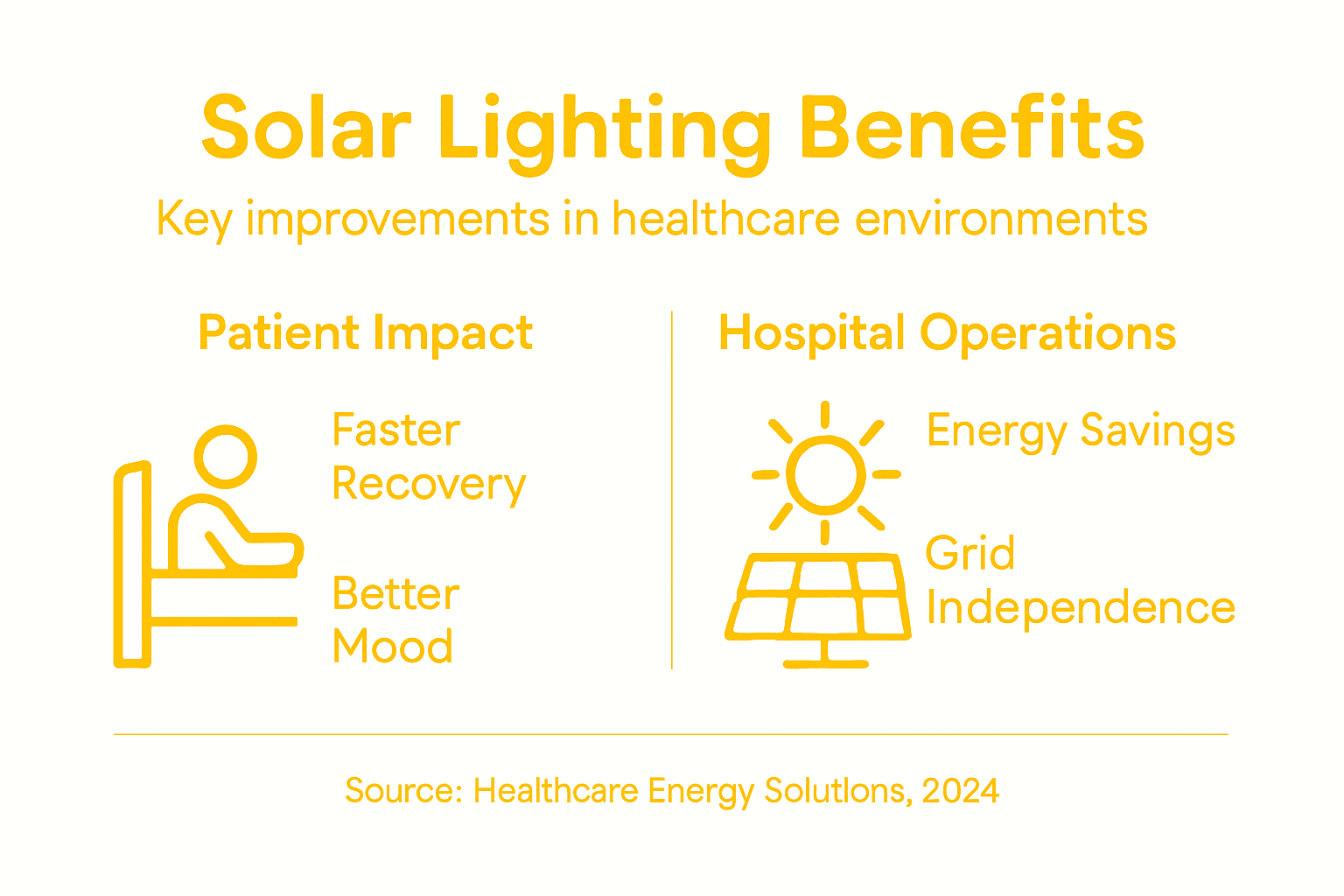
The physiological advantages of optimised natural lighting are particularly significant. Controlled sunlight exposure supports critical biological processes, including vitamin D synthesis, regulation of circadian rhythms, and mood stabilisation. Patients exposed to strategically managed natural light experience improved sleep patterns, reduced stress levels, and enhanced overall recovery trajectories. These lighting systems can dynamically adjust light intensity and colour temperature, mimicking natural daylight cycles and supporting the body’s intrinsic healing mechanisms.
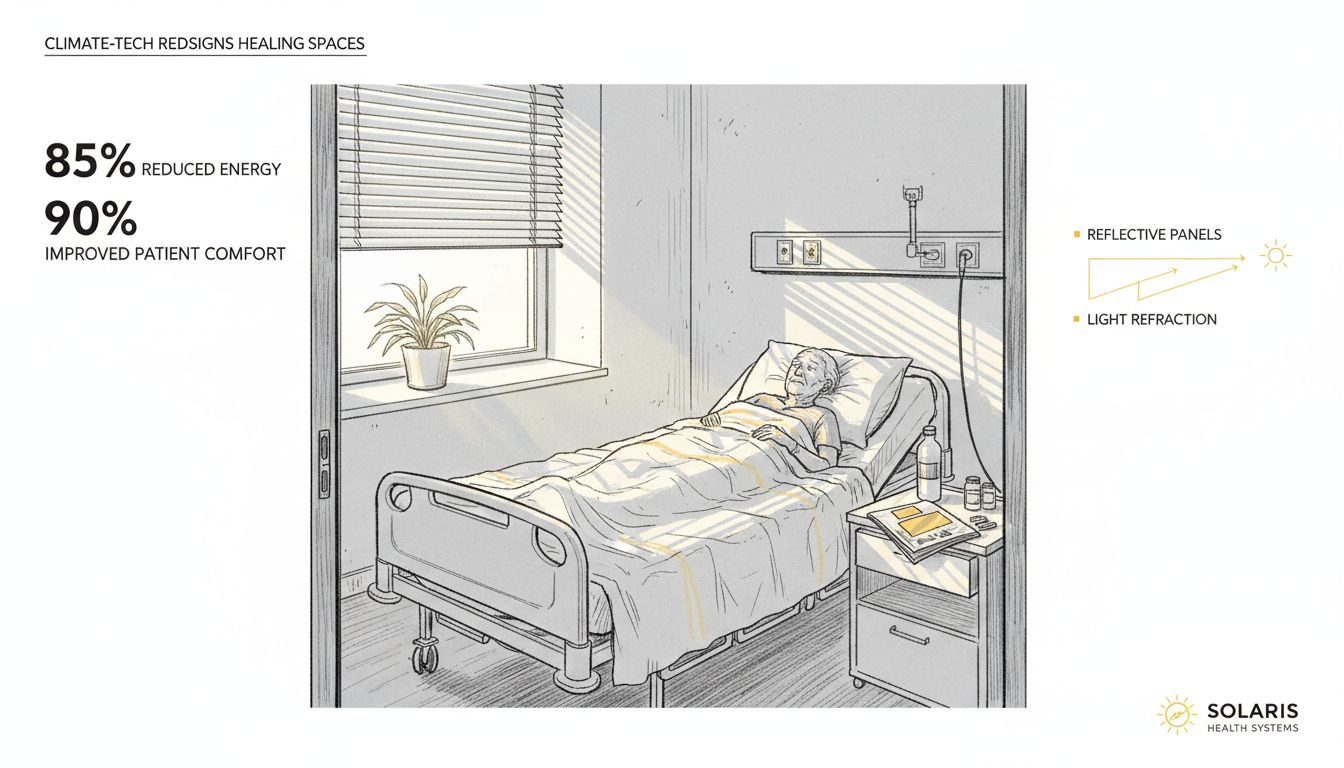
Solar electrification of healthcare facilities extends beyond mere illumination, providing reliable energy access that directly contributes to patient care quality. By ensuring stable, consistent lighting conditions, these technologies create environments that promote healing, reduce patient anxiety, and support medical staff in delivering optimal care. The integration of intelligent solar lighting systems represents a holistic approach to healthcare design, addressing both physical infrastructure and patient psychological needs.
Pro tip: Consider conducting periodic patient surveys to assess the qualitative impact of natural lighting interventions, gathering specific feedback on comfort, mood, and perceived recovery experiences.
Integrating Solar Lighting with Green Building Standards
Green building standards represent a comprehensive framework for integrating sustainable technologies into healthcare infrastructure, with solar lighting playing a pivotal role in achieving environmental performance objectives. Green building practices emphasise holistic approaches that transform healthcare facilities into energy-efficient, environmentally responsible spaces by strategically incorporating renewable energy solutions.
The integration process involves multiple critical considerations, including compliance with technical standards, performance benchmarks, and sustainability certifications. Healthcare facilities must navigate complex regulatory landscapes, ensuring solar lighting systems meet rigorous solar technology codes and standards that govern photovoltaic installations. These standards encompass technical specifications, safety protocols, grid integration requirements, and environmental performance metrics, creating a robust framework for sustainable building design.
Certification programmes like BREEAM, LEED, and Green Star provide structured pathways for healthcare organisations to validate their sustainable design achievements. Solar lighting technologies contribute significantly to these certifications by reducing carbon emissions, minimising energy consumption, and creating healthier indoor environments. Advanced solar lighting systems now incorporate intelligent monitoring capabilities, enabling real-time performance tracking and demonstrating tangible environmental benefits that align with green building assessment criteria.
Pro tip: Engage sustainability consultants early in the design process to ensure seamless integration of solar lighting technologies with specific green building standard requirements.
Cost, Efficiency, and Implementation Challenges
Solar lighting technologies in healthcare environments present a complex landscape of financial considerations and strategic implementation challenges. Solar energy cost dynamics reveal a nuanced approach to evaluating investments, where upfront expenditures must be carefully balanced against long-term operational benefits and efficiency gains.
The primary financial challenges encompass substantial initial capital investments, which can be significant for healthcare facilities with limited budgetary flexibility. Solar lighting implementation requires comprehensive cost analysis considering hardware expenses, installation infrastructure, staff training, and ongoing maintenance requirements. Despite these initial barriers, advanced solar lighting systems demonstrate compelling economic advantages through reduced energy consumption, lower maintenance costs, and enhanced facility operational efficiency.
Technical implementation challenges extend beyond financial considerations, involving complex integration processes with existing healthcare infrastructure. Facilities must navigate intricate technical requirements, including electrical system compatibility, building code compliance, and seamless technological integration. Critical factors such as geographical location, building orientation, shading analyses, and local regulatory frameworks significantly influence the feasibility and performance of solar lighting solutions. Successful implementation demands multidisciplinary collaboration between healthcare administrators, electrical engineers, sustainability experts, and solar technology specialists.
The following table highlights key factors affecting cost and efficiency of solar lighting in healthcare environments:
Cost Factor | Description | Impact on Efficiency | Mitigation Strategy |
Initial Investment | Upfront system, panel and labour costs | Can delay adoption | Seek government incentives |
Maintenance Expenses | Regular monitoring and repair costs | Influences long-term ROI | Schedule preventive reviews |
Geographical Location | Local sunlight availability | Determines energy yield | Conduct shading analyses |
Regulatory Compliance | Meeting codes and standards | Affects installation process | Work with certified installers |
Pro tip: Develop a comprehensive five-year total cost of ownership model that includes initial investment, projected energy savings, maintenance expenses, and potential government incentives before finalising solar lighting implementation.
Transform Healthcare Lighting with Advanced Solar Solutions
The article highlights the challenge healthcare facilities face in optimising natural light to support patient recovery and reduce energy costs while complying with green building standards like BREEAM and LEED. Achieving the right balance of daylight exposure, energy efficiency, and environmental sustainability is a clear goal for healthcare decision-makers who want to enhance well-being and operational efficiency without compromising practical needs.
At Light Mirror, we understand these critical pain points and offer a proprietary solar lighting system that precisely redirects natural sunlight into hospital and care home interiors. Leveraging reflective panels combined with AI algorithms and environmental monitoring, our solution addresses the complexities of sunlight redirection technologies described in the article. This approach not only dramatically improves patient comfort and staff productivity but also reduces reliance on artificial lighting and heating, contributing to substantial energy savings.
If your healthcare facility aims to transform patient environments while meeting strict sustainability targets consider exploring how our comprehensive services — from detailed feasibility studies to full installation and ongoing support — can deliver tangible health and financial benefits today. Discover the innovative potential of sustainable lighting at Light Mirror’s main site and learn how you can begin upgrading your healthcare infrastructure with cutting-edge solar solutions designed specifically for your unique needs.
Frequently Asked Questions
What are the main components of solar lighting systems in healthcare environments?
Solar lighting systems in healthcare consist of solar panels, photovoltaic cells, rechargeable batteries, and LED light fixtures, all designed to provide efficient illumination and energy sustainability.
How do sunlight redirection technologies enhance natural lighting in healthcare facilities?
Sunlight redirection technologies utilise advanced optical engineering to capture and distribute natural light within healthcare environments, improving the accessibility of sunlight without generating excessive heat.
What are the benefits of solar lighting for patient recovery?
Solar lighting promotes patient recovery by providing necessary natural light, regulating circadian rhythms, enhancing mood, and improving sleep patterns, contributing to overall well-being and healing processes.
How can healthcare facilities integrate solar lighting with green building standards?
Healthcare facilities can integrate solar lighting with green building standards by ensuring compliance with sustainability certifications like BREEAM or LEED, and by incorporating advanced solar technologies that meet environmental performance objectives.
Recommended
Comments