


Why Energy Efficiency Matters for Hospitals
- Dimitri

- Jan 10
- 7 min read
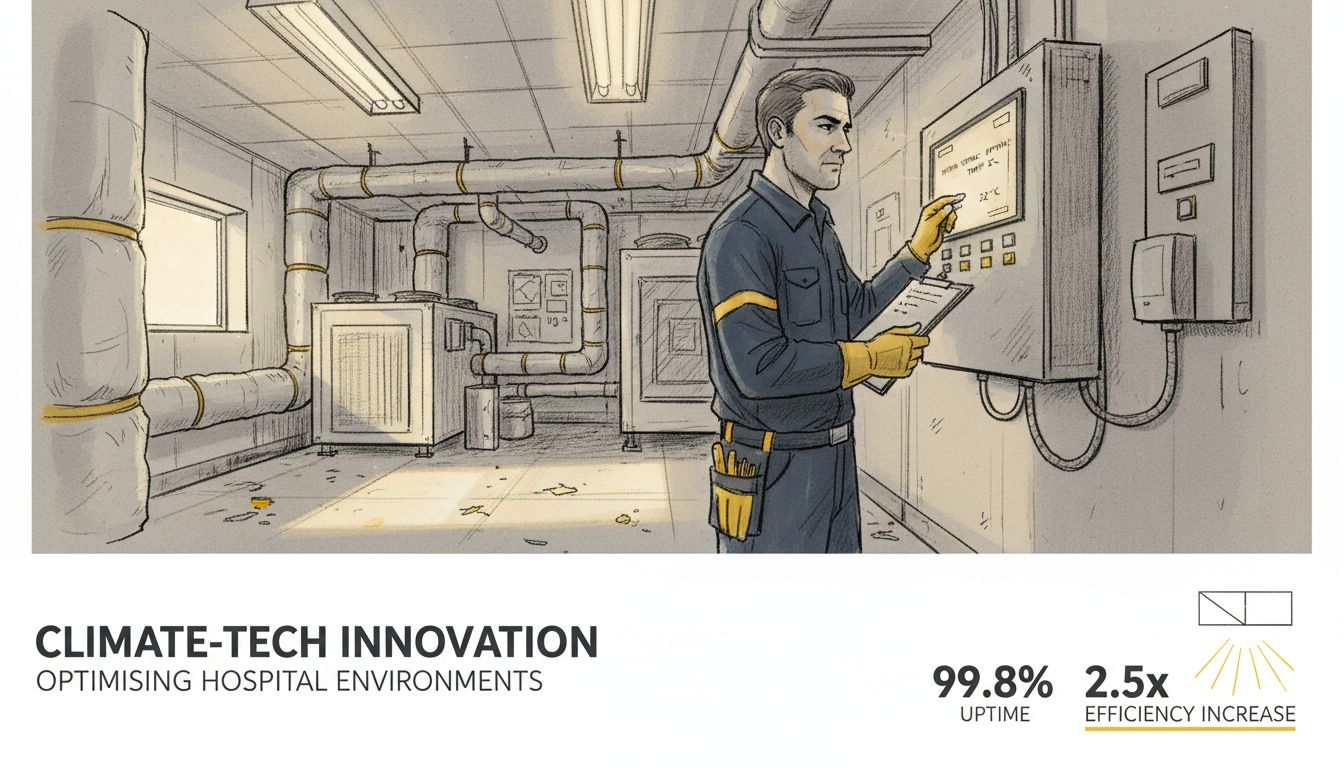
Nearly sixty percent of British hospitals still operate with outdated energy systems, putting patient recovery and sustainability goals at risk. For European healthcare facility managers, finding effective ways to cut energy waste means more than cost savings—it shapes the quality of every patient’s experience and helps meet new environmental standards. Discover practical approaches that support operational efficiency, patient wellbeing, and regulatory compliance for today’s dynamic hospital environment.
Table of Contents
Key Takeaways
Point | Details |
Energy Efficiency is Crucial | Optimising energy consumption in healthcare enhances patient care while reducing costs and environmental impact. |
Technological Integration is Key | Advanced technologies facilitate the effective implementation of energy-efficient practices in healthcare facilities. |
Organisational Strategies Matter | Establishing dedicated energy management roles and continuous assessment protocols can significantly improve energy efficiency outcomes. |
Compliance is Essential | Adhering to evolving energy regulations and standards impacts operational sustainability and institutional reputation. |
Defining energy efficiency in healthcare
Energy efficiency in healthcare represents a sophisticated strategy for optimising resource consumption while maintaining exceptional patient care standards. At its core, energy efficiency involves providing superior medical services using minimal energy resources, ensuring both environmental sustainability and operational excellence.
Healthcare facilities consume substantial energy through medical devices, building infrastructure, and continuous operational requirements. The fundamental goal of energy efficiency is not merely reducing consumption, but strategically improving technological systems to deliver identical or enhanced services with significantly reduced energy expenditure. This approach encompasses complex considerations including advanced data processing, intelligent automation technologies, and adaptive systems that improve both operational accuracy and energy management.
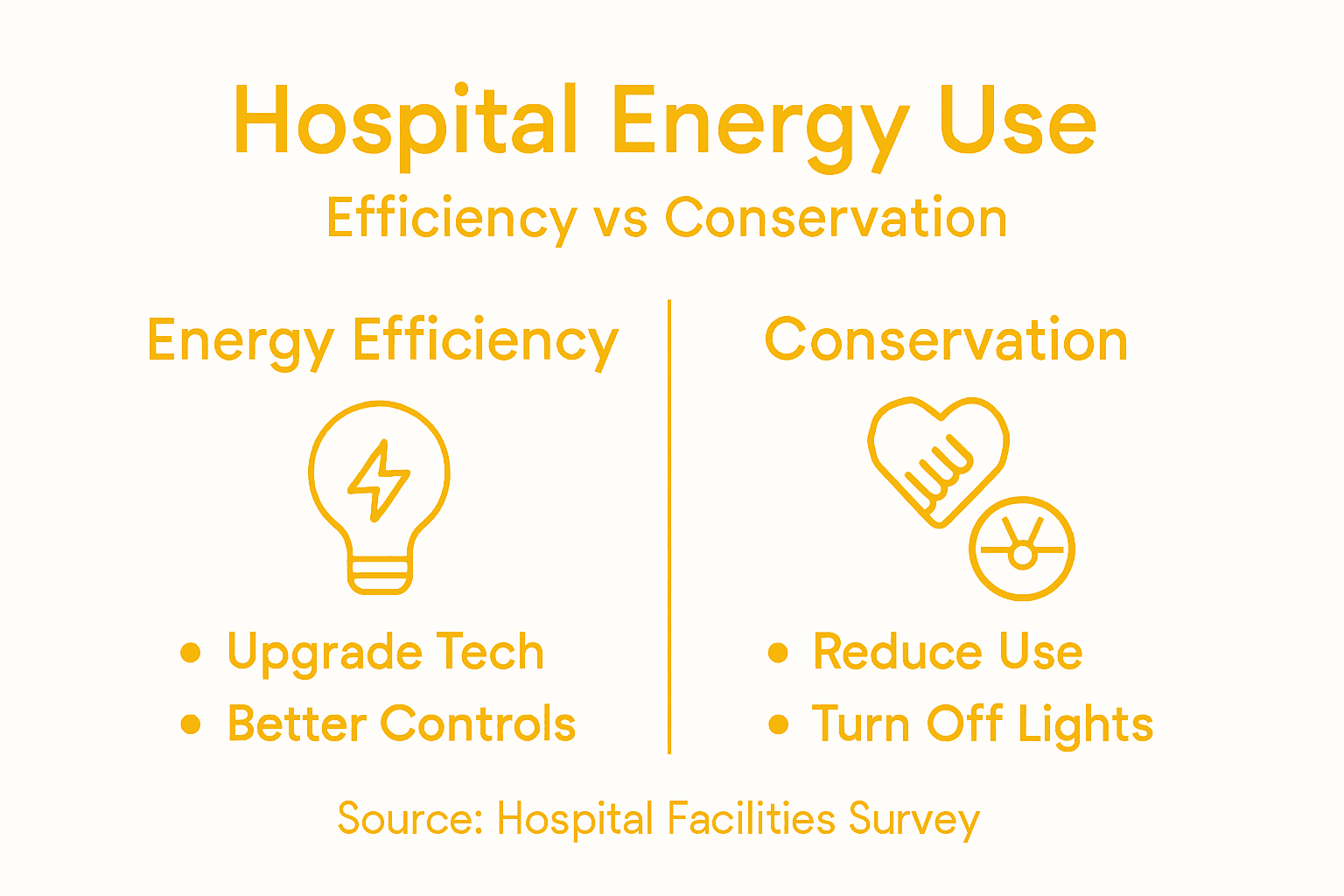
The distinction between energy efficiency and simple energy conservation is critical. While conservation focuses exclusively on reducing energy usage, true efficiency concentrates on optimising performance. In healthcare settings, this means implementing technologies and practices that maintain or elevate patient care quality while simultaneously minimising environmental impact and operational costs. Advanced medical technologies enable precise energy management across diagnostic equipment, lighting systems, temperature control, and auxiliary infrastructure.
The following table contrasts energy efficiency with energy conservation in healthcare contexts:
Aspect | Energy Efficiency | Energy Conservation |
Main Focus | Optimising system performance | Reducing overall energy usage |
Impact on Care | Maintains or improves care standards | May compromise care if poorly managed |
Technology Involvement | Relies on advanced systems and automation | Can involve simple behavioural changes |
Long-Term Benefits | Reduces costs, improves sustainability | Limits costs, provides short-term gains |
Pro tip: Conduct a comprehensive energy audit of your healthcare facility to identify specific areas where efficiency improvements can be implemented most effectively.
Types of energy-saving measures for hospitals
Hospitals consume enormous amounts of energy continuously, making strategic energy-saving approaches critical for both environmental sustainability and operational cost management. Comprehensive energy-saving strategies encompass multiple technological and organisational interventions designed to reduce energy consumption without compromising patient care quality.
Key energy-saving measures for healthcare facilities include infrastructure upgrades, technological improvements, and workflow optimisations. Infrastructure improvements focus on enhancing building performance through better insulation, window replacements, and upgrading heating, ventilation, and air conditioning (HVAC) systems. Medical equipment represents another significant area for energy efficiency, with hospitals increasingly adopting energy-efficient medical devices and technologies that consume less electricity while maintaining high performance standards.
Organisational strategies are equally important in driving energy efficiency. These include creating dedicated energy management roles, implementing continuous energy assessment protocols, and developing internal policies that prioritise resource conservation. Financing mechanisms like Commercial Property Assessed Clean Energy (C-PACE) can help hospitals overcome initial investment barriers by providing structured funding for energy upgrade projects. Additional measures encompass reducing anesthetic gas emissions, minimising food waste, and integrating smart monitoring systems that track and optimise energy consumption across different hospital departments.
Pro tip: Develop a cross-departmental energy efficiency team that includes representatives from facilities management, medical technology, and administrative sectors to ensure comprehensive and collaborative energy reduction strategies.
How energy efficiency benefits health outcomes
Energy efficiency in healthcare extends far beyond mere cost reduction, directly impacting patient health and institutional performance. Efficient resource allocation enables healthcare providers to redirect financial resources towards improved medical services, potentially enhancing overall patient care quality and accessibility.
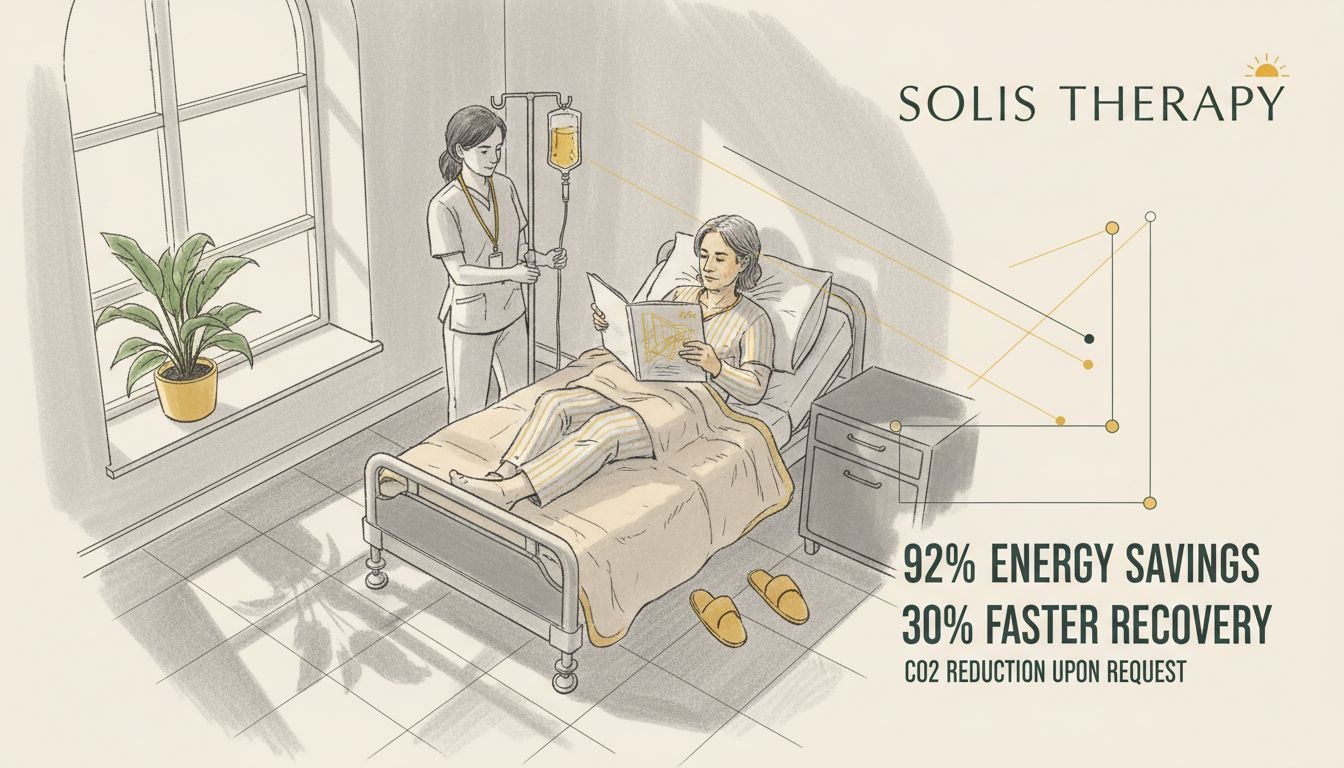
One of the most significant health benefits emerges from improved indoor environmental conditions. Energy-efficient building designs substantially improve air quality, reducing potential health risks associated with poor environmental conditions. By minimising indoor pollutants and optimising thermal comfort, hospitals can create healing environments that actively contribute to patient recovery and staff well-being. Research indicates that superior air quality correlates with reduced respiratory complications, lower cardiovascular disease risks, and improved overall patient outcomes.
Moreover, energy efficiency strategies indirectly support healthcare sustainability by enabling institutions to invest more resources in advanced medical technologies, staff training, and patient care programmes. By reducing operational expenses through intelligent energy management, hospitals can allocate funds towards critical areas like medical research, equipment upgrades, and specialised treatment methodologies. This approach transforms energy efficiency from a purely financial consideration into a strategic tool for enhancing healthcare delivery and patient experiences.
Pro tip: Implement regular indoor air quality monitoring systems to track and improve environmental conditions, ensuring optimal healing environments for patients and healthcare workers.
Legal standards and certification frameworks
Healthcare facilities navigate a complex landscape of energy efficiency regulations and certification standards designed to promote sustainable infrastructure and reduce environmental impact. State-level building energy codes mandate specific efficiency requirements for commercial buildings, including hospitals, which must regularly update and certify their compliance with evolving national standards.
The International Organisation for Standardisation (ISO) provides crucial frameworks for systematic energy management. ISO 50001 certification represents a comprehensive international standard that enables healthcare institutions to develop robust energy management systems. This framework goes beyond simple compliance, encouraging hospitals to implement continuous improvement processes that systematically reduce energy consumption, track greenhouse gas emissions, and demonstrate a measurable commitment to environmental sustainability.
Beyond international standards, hospitals must also comply with national and regional regulations that often include specific requirements for energy performance, environmental impact, and infrastructure efficiency. These legal frameworks typically incorporate model codes such as ANSI/ASHRAE/IES Standard 90.1, which provide detailed technical specifications for building systems, lighting, heating, cooling, and electrical infrastructure. Compliance involves not just meeting minimum standards, but developing a proactive approach to energy management that anticipates future regulatory developments and technological innovations.
Pro tip: Maintain a dedicated compliance tracking system that centralises documentation of energy certifications, regulatory updates, and performance metrics to ensure ongoing adherence to evolving legal standards.
Financial, operational, and reputational risks
Healthcare facilities face multifaceted risks when neglecting energy efficiency strategies, with consequences extending far beyond simple monetary considerations. Inefficient energy infrastructure can dramatically escalate operational costs, strain limited budgetary resources, and potentially compromise the quality of patient care.
Reputational exposure represents another critical dimension of risk management. Stakeholder expectations around sustainability have evolved dramatically, with institutional environmental responsibility now forming a key assessment criterion. Modern healthcare organisations are increasingly judged not just on clinical outcomes, but on their commitment to ecological stewardship. Hospitals that fail to demonstrate proactive energy management strategies risk damaging their public image, potentially deterring environmentally conscious patients, donors, and strategic partners.
Operational risks emerge through multiple interconnected channels. Inefficient energy systems create vulnerabilities in service delivery, with potential disruptions to critical medical infrastructure potentially compromising patient safety. Energy waste translates directly into reduced financial capacity for essential investments such as advanced medical technologies, staff training programmes, and facility upgrades. Moreover, escalating energy costs can create unpredictable budget pressures, limiting an institution’s ability to respond flexibly to emerging healthcare challenges and technological innovations.
Here is a summary of key risks hospitals face when neglecting energy efficiency:
Risk Category | Example Impact | Strategic Implication |
Financial | Increased operational expenses | Fewer resources for medical upgrades |
Operational | Service interruptions due to unreliable systems | Patient safety and care compromised |
Reputational | Negative perception from patients and partners | Reduced community trust and engagement |
Pro tip: Develop a comprehensive energy risk assessment framework that quantifies financial, operational, and reputational risks, enabling strategic and proactive management of sustainability challenges.
Elevate Hospital Energy Efficiency with Natural Light Innovation
The article highlights critical challenges hospitals face in optimising energy use while maintaining exceptional patient care and operational excellence. The need to improve building performance, reduce reliance on artificial lighting, and enhance indoor environmental quality are pain points that directly affect patient recovery and staff well-being. Terms like energy efficiency, sustainable infrastructure, and environmental impact underscore the importance of intelligent solutions that balance care standards with operational cost savings.
At Light Mirror we specialise in transforming healthcare environments by redirecting natural sunlight deep into building interiors using advanced reflective panels powered by AI and environmental monitoring. This innovative approach reduces energy consumption for lighting and heating, aligns with green building certifications such as BREEAM and LEEDS, and creates healthier spaces that support faster patient recovery and staff productivity. Discover how our solutions deliver significant energy savings, enhance natural light exposure, and bring environmental sustainability together in a seamless package.
Ready to reduce operational costs while uplifting patient and staff experiences? Visit Light Mirror now to explore our comprehensive services from feasibility assessments to full installations tailored for healthcare facilities. Take the first step towards a smarter, energy-efficient future that supports your hospital’s critical goals.
Frequently Asked Questions
What is energy efficiency in healthcare?
Energy efficiency in healthcare refers to optimising resource consumption to provide high-quality medical services while minimising energy usage, thus promoting sustainability and operational excellence.
How can hospitals improve energy efficiency?
Hospitals can improve energy efficiency through infrastructure upgrades, adopting energy-efficient medical equipment, creating dedicated energy management roles, and implementing continuous energy assessment protocols.
What are the benefits of energy efficiency for patient health outcomes?
Energy efficiency enhances patient health outcomes by improving indoor air quality, which reduces health risks, aids recovery, and allows hospitals to redirect funds towards advanced medical services and technologies.
What are the risks of not prioritising energy efficiency in hospitals?
Neglecting energy efficiency can lead to increased operational costs, potential service interruptions affecting patient safety, and reputational damage due to failure to meet stakeholder expectations regarding sustainability.
Recommended
Comments