


Role of Daylight in Design: Transforming Healthcare Spaces
- Dimitri

- Jan 13
- 7 min read
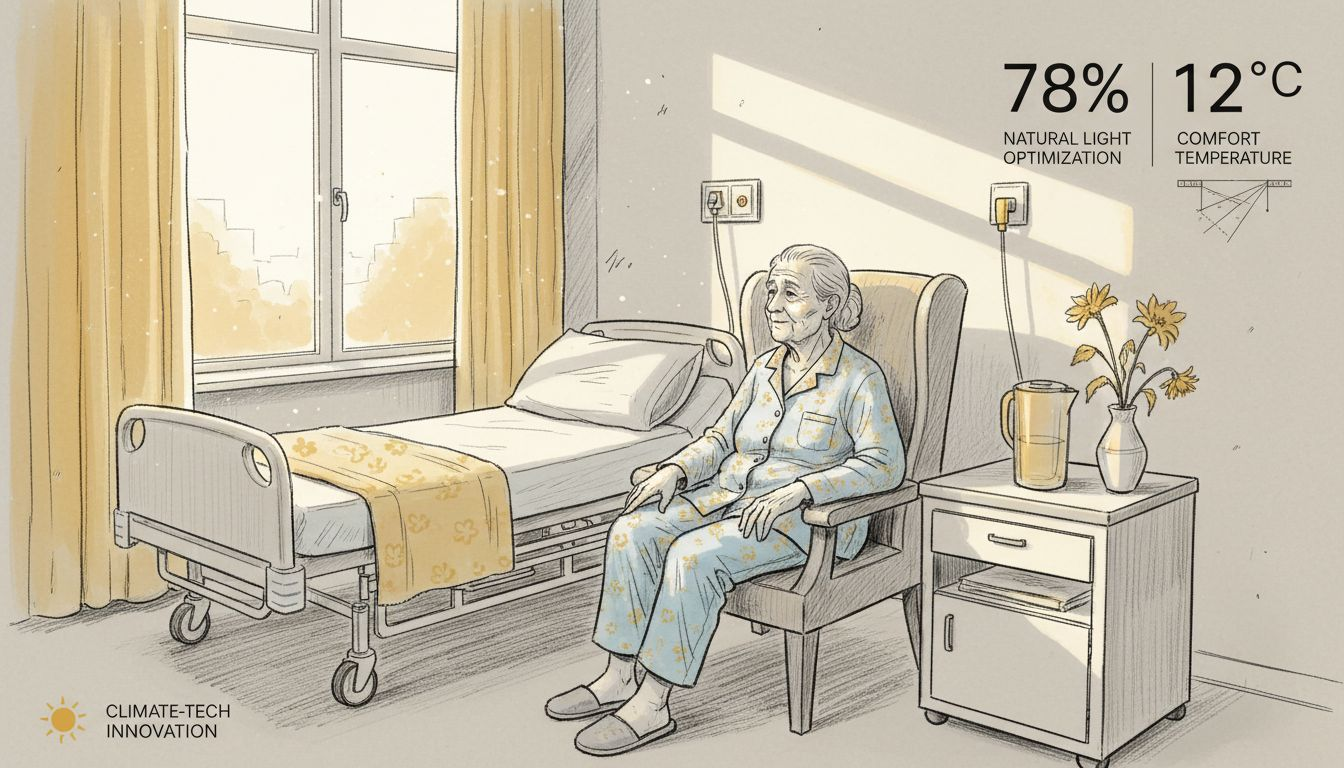
Research shows that healthcare facilities embracing controlled daylight solutions can lower lighting energy use by up to 40 percent. British hospitals and clinics striving for BREEAM and LEED certification face mounting pressure to create sustainable environments that actively support patient recovery. This guide highlights how innovative daylight integration transforms interior spaces, delivers measurable energy savings, and aligns with rigorous European green building standards.
Table of Contents
Key Takeaways
Point | Details |
Importance of Daylight | Daylight significantly impacts occupant wellbeing, energy efficiency, and environmental sustainability within architectural design. |
Healthcare Focus | Strategic daylight integration can enhance patient recovery and psychological wellbeing, necessitating sophisticated design strategies. |
Sustainability Benefits | Effective daylight strategies contribute to reduced energy consumption and lower carbon footprints in healthcare settings. |
Holistic Integration | Successful daylight solutions require collaborative efforts across disciplines to balance natural light, thermal comfort, and user needs. |
Defining Daylight in Architectural Design
Daylight in architectural design represents more than simple illumination—it is a sophisticated interplay of natural light, building geometry, and human perception. Controlled natural light admission transforms interior spaces, influencing occupant wellbeing, performance, and environmental sustainability.
The European architectural perspective defines daylighting through precise technical parameters, recognising it as a complex design strategy involving window placement, ceiling configurations, and light transmission characteristics. Successful daylighting integrates multiple design elements: window size, orientation, transparency, and sophisticated shading mechanisms. Professional architects understand that effective daylight design goes beyond mere aesthetic considerations, addressing critical factors like energy efficiency, thermal comfort, and psychological wellbeing.
Key Architectural Elements of Daylight Design include:
Window positioning and orientation
Glass transparency and light transmission properties
Interior surface reflectivity
Ceiling height and room geometry
Solar path understanding
Regional climate considerations
Successful daylighting design requires balancing light quantity, preventing glare, and managing potential heat gain or loss. Modern healthcare environments demand nuanced approaches that support patient recovery while maintaining optimal visual comfort.
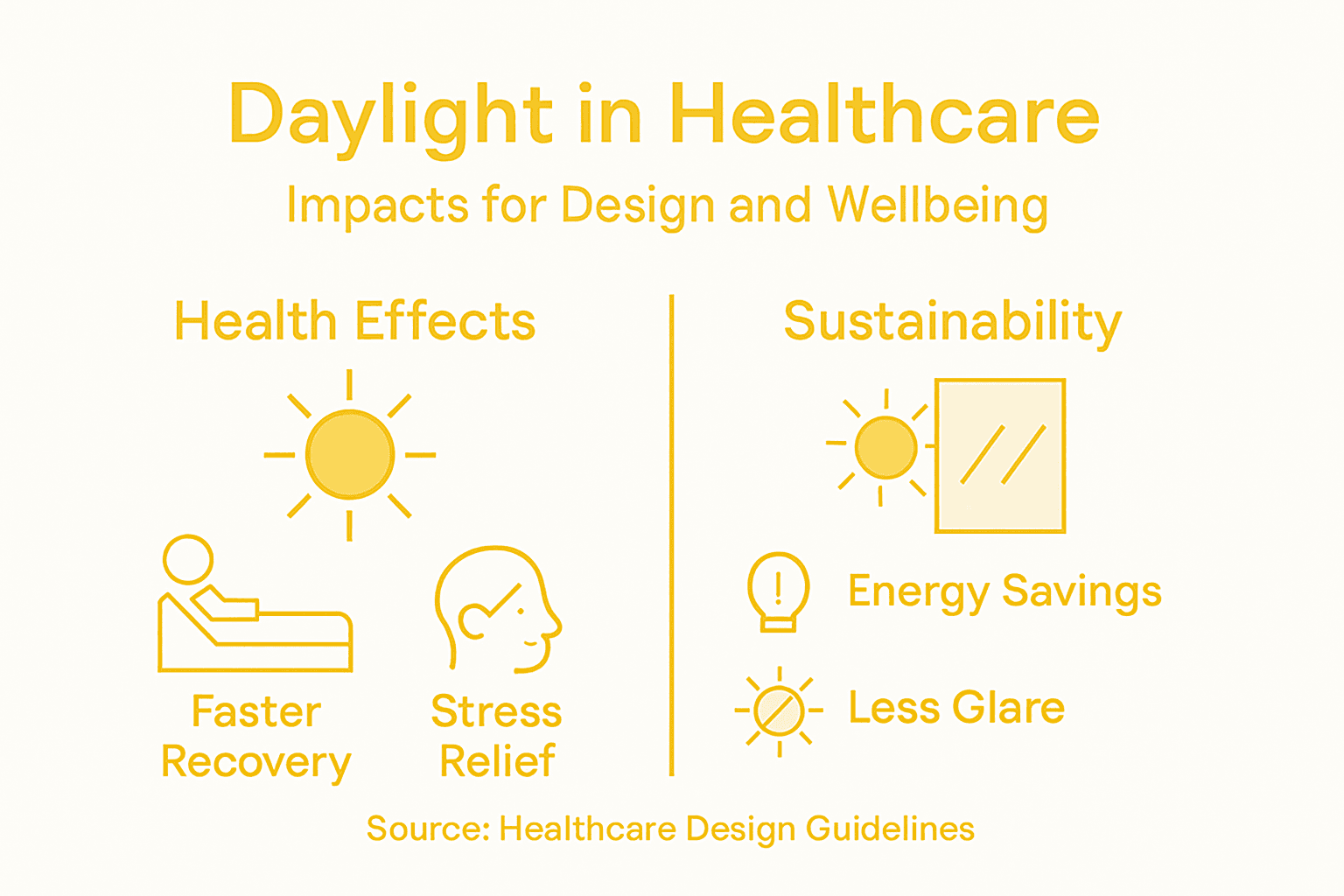
Pro tip: Consult local building standards and conduct computational light simulations before finalising healthcare space designs to ensure optimal daylight performance.
Daylight Types and Delivery Methods Explained
Daylight delivery methods represent a sophisticated architectural approach that extends far beyond simple window placement. Daylighting systems utilise complex architectural strategies to optimise natural illumination while managing thermal and visual comfort in interior spaces.
The European standard EN 17037 categorises daylight delivery into precise technical criteria, encompassing four primary dimensions: daylighting, views, solar access, and glare management. Architectural professionals deploy multiple sophisticated techniques to achieve optimal natural light penetration, including strategically designed windows, skylights, façade openings, and advanced light redirection technologies.
Primary Daylight Delivery Methods:
Windows: Traditional and most common light entry point
Skylights: Top-down illumination for deeper interior spaces
Light Shelves: Horizontal reflective surfaces redirecting sunlight
Tubular Daylight Devices: Innovative light transmission through roof-mounted collectors
Solar Shading Systems: Dynamic controls managing light intensity
High-Performance Glazing: Specialised glass technologies
Daylight design standards recommend achieving approximately 300 lux across significant interior space portions, ensuring adequate illumination while preventing visual discomfort. Modern healthcare environments require nuanced approaches that balance light quantity, quality, and occupant wellbeing.
To clarify the impact of different daylight delivery strategies, here is a comparison of common methods used in healthcare architecture:
Delivery Method | Typical Application | Benefits for Healthcare | Limitations |
Windows | Patient rooms, corridors | Direct outdoor views | Limited depth penetration |
Skylights | Central public areas | Deep natural light | Potential for glare |
Light Shelves | Waiting zones | Enhanced light dispersal | Requires careful design |
Tubular Devices | Staff workstations | Light in windowless zones | Lower light intensity |
Solar Shading Systems | Façades, all zones | Controls glare & heat | May reduce light levels |
Pro tip: Conduct comprehensive computational light simulations during design stages to precisely model daylight performance and optimise architectural light strategies.
Health and Recovery Impacts in Healthcare Settings
Daylight represents a powerful therapeutic tool in healthcare environments, extending far beyond simple illumination. Daylight’s physiological impacts profoundly influence patient recovery, metabolic health, and psychological wellbeing through complex biological mechanisms.
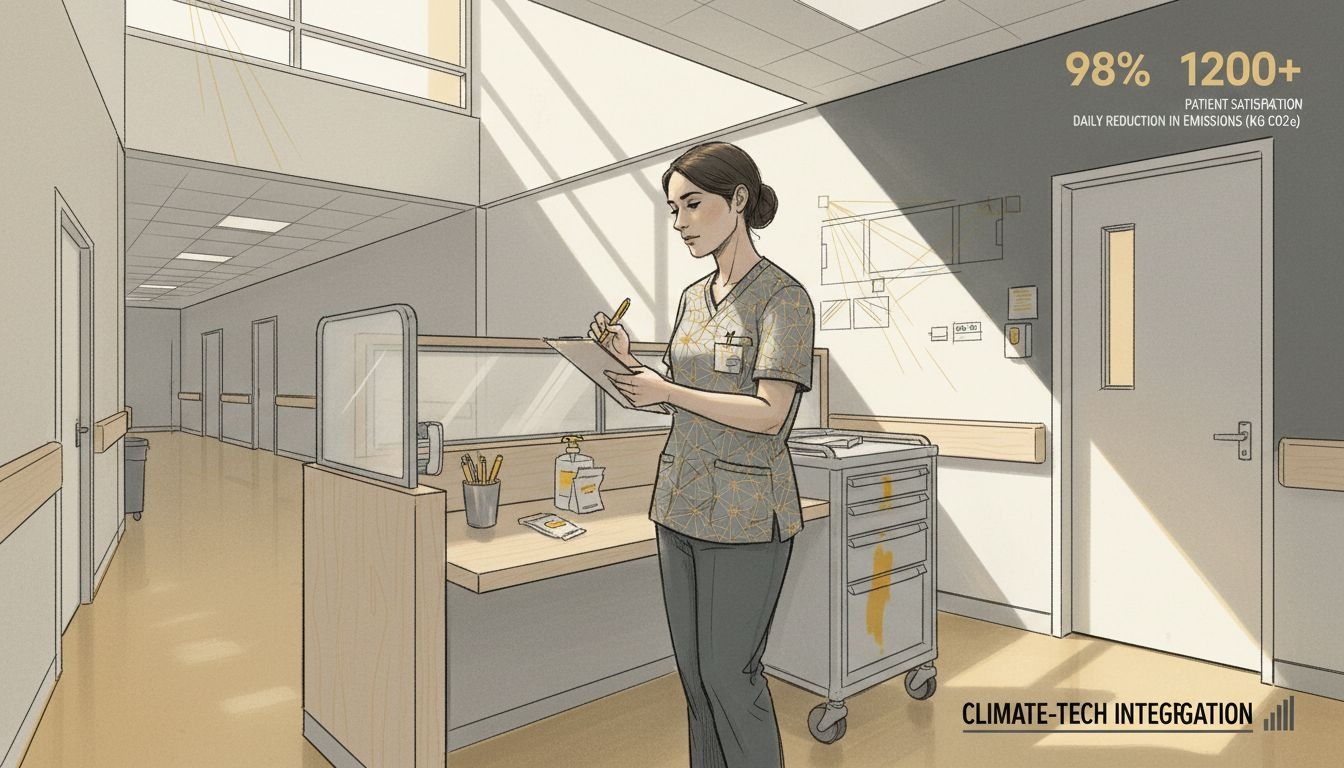
Research demonstrates that strategic natural light exposure can significantly modulate critical physiological processes. For individuals with metabolic conditions like type 2 diabetes, controlled daylight exposure helps stabilise blood glucose levels and synchronise circadian rhythms. The intricate relationship between light and human biological systems reveals how environmental design directly intersects with healing mechanisms.
Key Health Recovery Dimensions of Daylight:
Circadian rhythm regulation
Metabolic process stabilisation
Mood and psychological state enhancement
Pain perception modulation
Sleep quality improvement
Stress reduction mechanisms
Healthcare environment studies consistently reveal that high-quality indirect daylight minimises psychological stress while enhancing patient satisfaction. Architectural strategies that prioritise nuanced light management can create healing spaces that actively support physiological and psychological recovery processes.
Pro tip: Design healthcare spaces with adjustable light zones that allow patients to modulate their immediate light environment for personalised comfort and healing support.
Sustainability Benefits and Energy Savings
Sustainable architectural design demands sophisticated strategies for reducing energy consumption, with daylight emerging as a critical component in achieving environmental efficiency. Daylighting significantly reduces electric lighting energy by integrating natural illumination with intelligent lighting control systems, creating a transformative approach to building performance.
Healthcare facilities represent unique environments where energy efficiency and environmental sustainability intersect with critical functional requirements. Advanced daylight design approaches enable substantial reductions in artificial lighting demands, directly translating to decreased carbon emissions and operational costs. By strategically implementing natural light technologies, healthcare administrators can simultaneously address environmental responsibilities and create more healing-conducive spaces.
Key Sustainability Dimensions:
Reduced electrical lighting energy consumption
Lower carbon emission footprints
Minimised artificial lighting infrastructure requirements
Enhanced occupant wellbeing and productivity
Alignment with green building certification standards
Long-term operational cost reductions
Optimised daylight strategies contribute to comprehensive sustainability goals by improving building performance metrics and creating environments that support both human and ecological health. Intelligent design approaches that prioritise natural light can achieve remarkable energy savings while maintaining superior interior environmental quality.
For a quick overview, here is a summary of how daylight supports health and sustainability within healthcare settings:
Aspect | Health Benefit | Sustainability Impact |
Circadian Support | Improves sleep and alertness | Reduces energy usage |
Mood Enhancement | Reduces stress, lifts mood | Encourages natural light use |
Thermal Comfort | Stabilises temperatures | Minimises heating/cooling loads |
Patient Satisfaction | Promotes positive recovery | Contributes to building ratings |
Pro tip: Conduct comprehensive energy simulations during initial design phases to precisely quantify potential daylight-driven sustainability benefits and optimise architectural light management strategies.
Integrating Daylight Solutions into Healthcare Facilities
Daylight integration demands a holistic, strategic approach that transcends traditional architectural design principles. Healthcare facility daylight solutions require sophisticated methodologies involving precise window placement, advanced skylighting techniques, and intelligent lighting control systems that create healing-supportive environments.
Successful implementation involves comprehensive considerations of building orientation, architectural massing, and dynamic light management. Healthcare administrators and design professionals must collaborate to develop nuanced strategies that balance natural illumination, thermal comfort, and patient psychological wellbeing. This approach transforms daylight from a passive environmental element into an active therapeutic intervention.
Critical Integration Strategies:
Comprehensive site analysis and solar mapping
Adaptive window design with thermal performance
Intelligent shading mechanism implementation
Zoned lighting control systems
Glare management technologies
Circadian rhythm supporting illumination designs
Daylighting performance criteria must be established early in the design process, considering complex interactions between architectural elements, patient needs, and environmental sustainability goals. By adopting a holistic perspective, healthcare facilities can create spaces that simultaneously support healing, reduce energy consumption, and enhance occupant experience.
Pro tip: Engage multidisciplinary design teams including healthcare specialists, lighting engineers, and sustainability experts to develop comprehensive daylight integration strategies.
Unlock the Healing Power of Daylight with LightMirror Solutions
The article highlights the crucial challenge of optimising natural light within healthcare spaces to boost patient recovery, regulate circadian rhythms, and reduce energy consumption. Many healthcare facilities struggle with limited daylight penetration, glare issues, and balancing thermal comfort alongside psychological wellbeing. If your goal is to transform hospital or care home interiors using advanced daylight delivery methods that prioritise health outcomes and sustainability, our proprietary technology is designed exactly for that purpose.
At LightMirror, we harness reflective panel systems combined with AI algorithms and environmental monitoring to redirect sunlight deep into healthcare interiors. Our solutions address the problem of insufficient daylight exposure and excessive artificial lighting energy use. By integrating our cutting-edge products featured in collections like Provence Lavanda, you create spaces that elevate both patient satisfaction and staff wellbeing while cutting operational costs. Don’t let your healthcare environment miss out on the scientifically proven healing benefits of natural light.
Take the step now to revolutionise your healthcare facility’s daylight design. Explore how LightMirror can help you achieve optimal daylight integration aligned with green building standards and deliver measurable energy savings. Start your journey towards healthier, brighter, and more sustainable spaces today by visiting LightMirror and discover innovations inspired by nature and science.
Frequently Asked Questions
What is the role of daylight in healthcare design?
Daylight plays a crucial role in healthcare design by improving occupant wellbeing, enhancing patient recovery, and creating visually comfortable spaces through strategic natural light integration.
How can daylighting impact patient recovery in healthcare environments?
Daylighting can positively impact patient recovery by regulating circadian rhythms, improving mood, and reducing stress levels, all of which contribute to a more conducive healing environment.
What are the main methods of delivering daylight in architectural design?
Major methods of delivering daylight include windows, skylights, light shelves, tubular daylight devices, and solar shading systems, each optimised for different interior contexts and light management needs.
How can healthcare facilities ensure optimal daylight performance?
Healthcare facilities can ensure optimal daylight performance by conducting computational light simulations during the design phase, implementing adaptive lighting controls, and considering factors like window placement and shading mechanisms.
Recommended
Comments