


Sustainable Lighting Step by Step for Health Facilities
- Dimitri

- Dec 29, 2025
- 7 min read
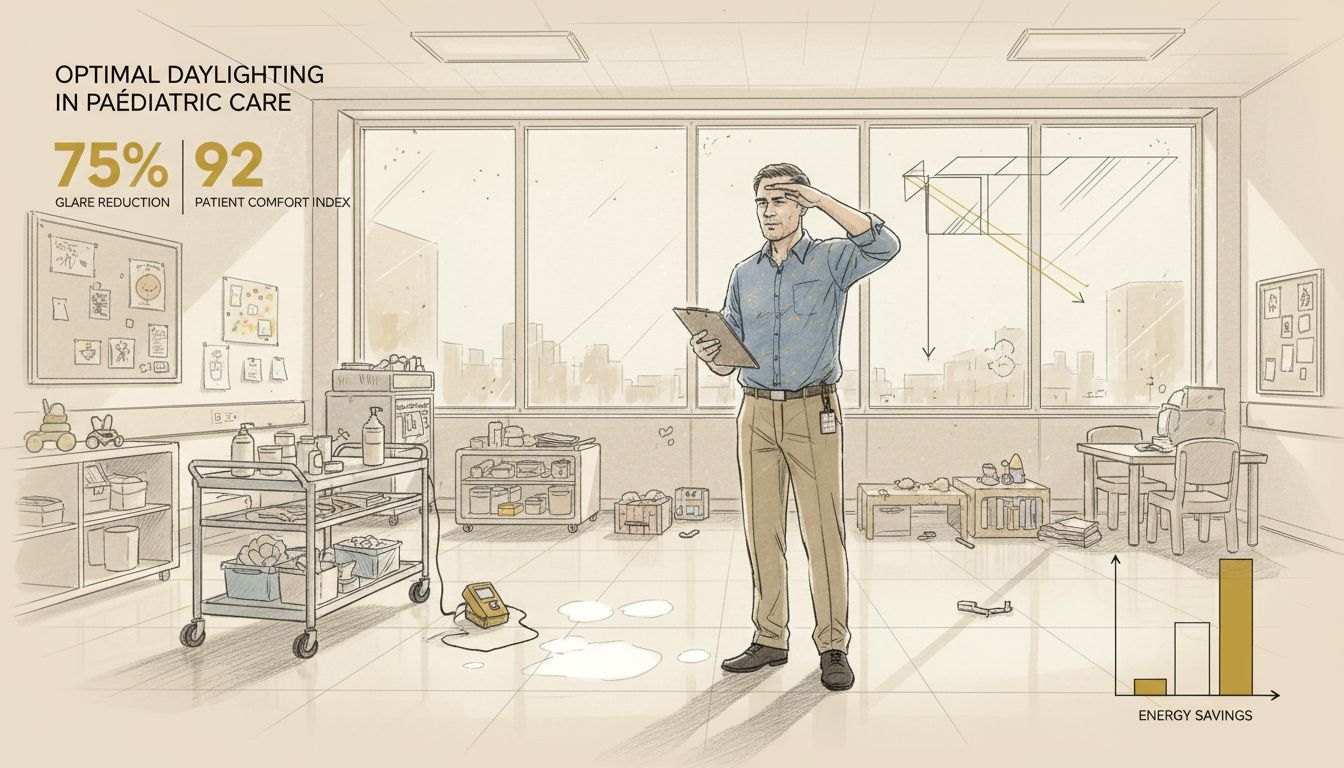
Over 30 percent of energy costs in British and wider European hospitals come from outdated lighting systems. Healthcare facility administrators now face not only budget pressures but also a growing demand for patient-centered recovery environments. This guide delivers practical strategies for sustainable lighting—from maximizing daylight to smart system integration—helping you create brighter, healthier spaces while achieving significant energy savings and supporting the latest British healthcare standards.
Table of Contents
Step 1: Assess Facility Needs For Optimal Daylight Redirection
Step 2: Evaluate Available Natural Light And Plan Reflective Panel Placement
Step 3: Install Advanced Sustainable Lighting Technology Systems
Step 4: Integrate AI Control And Environmental Monitoring Solutions
Step 5: Verify Lighting Performance And Optimise Energy Efficiency
Quick Summary
Main Insight | Explanation |
1. Assess your facility’s daylight potential | Conduct a detailed spatial analysis to evaluate architectural features that maximise natural light integration across different areas of the healthcare facility. |
2. Use advanced measurement tools | Employ digital light metres and solar path tracking software to accurately document daylight levels and optimise reflective panel placement. |
3. Integrate cutting-edge lighting technologies | Implement systems like occupancy sensors and daylight harvesting to enhance energy efficiency and support patient well-being through adaptive lighting. |
4. Embrace AI for environmental management | Utilise AI and IoT solutions to monitor parameters like temperature and air quality for proactive environmental control in healthcare settings. |
5. Regularly evaluate lighting performance | Perform quarterly audits using structured metrics to assess energy consumption, illumination quality, and occupant satisfaction for ongoing optimisation. |
Step 1: Assess facility needs for optimal daylight redirection
Assessing your healthcare facility’s daylight potential represents the critical first stage in developing an effective sustainable lighting strategy. This step involves a comprehensive evaluation of your facility’s architectural characteristics to maximise natural light integration.
Begin by conducting a detailed spatial analysis that considers multiple variables. Spatial layout significantly influences daylight availability and energy consumption, so you will need to document key environmental factors. These include architectural orientation, window configurations, existing shading devices, and room dimensions. Professional surveyors can help map current light penetration patterns using advanced measurement tools that track sunlight trajectories throughout different seasons.
Your assessment should also incorporate patient care considerations. Natural lighting access has been scientifically correlated with improved physiological and psychological patient outcomes, making your evaluation more than just an architectural exercise. Focus on patient rooms, rehabilitation spaces, and common areas where enhanced natural light can provide tangible health benefits. Measure current illumination levels, identify potential light obstruction points, and create a detailed report documenting existing conditions.
Top Tip: Engage a qualified lighting consultant who specialises in healthcare environments to ensure a comprehensive and precise initial assessment.
Step 2: Evaluate available natural light and plan reflective panel placement
Evaluating your healthcare facility’s natural light potential is a precise scientific process that requires careful measurement and strategic planning. This crucial step transforms your lighting approach from generic to precision-engineered.
Begin by conducting a comprehensive daylight survey that maps solar exposure across different spaces. Architectural design elements play a critical role in enhancing daylight penetration, so you will need specialised measurement tools to analyse light trajectories. Use digital light metres and solar path tracking software to document illumination levels at different times of day and across seasonal variations. Pay particular attention to patient areas such as recovery rooms, waiting areas, and rehabilitation spaces where natural light can significantly impact well-being.
When planning reflective panel placement, consider multiple factors including room orientation, window configurations, potential obstructions, and existing architectural features. Your goal is to create a strategic light redirection system that maximises natural illumination while minimising glare and maintaining patient comfort. Work with lighting design professionals who can create detailed computational models simulating light distribution and recommend optimal panel positioning.
Top Tip: Conduct multiple light mapping sessions throughout the year to ensure your reflective panel strategy captures seasonal light variation effectively.
Step 3: Install advanced sustainable lighting technology systems
Installing advanced sustainable lighting technology transforms your healthcare facility from a traditional environment into an intelligent ecosystem of illumination. This critical step involves integrating cutting-edge systems that optimise energy efficiency and support patient well-being.
Modern healthcare lighting installations now incorporate sophisticated technologies that go far beyond simple illumination. These systems include embedded occupancy sensors, advanced photocells, and daylight harvesting technologies integrated directly into LED fixtures. The goal is to create a dynamic lighting environment that automatically adjusts based on natural light levels, occupancy, and specific spatial requirements. When selecting your technology, prioritise systems with granular control mechanisms that can adapt to different areas such as patient rooms, surgical zones, and rehabilitation spaces.
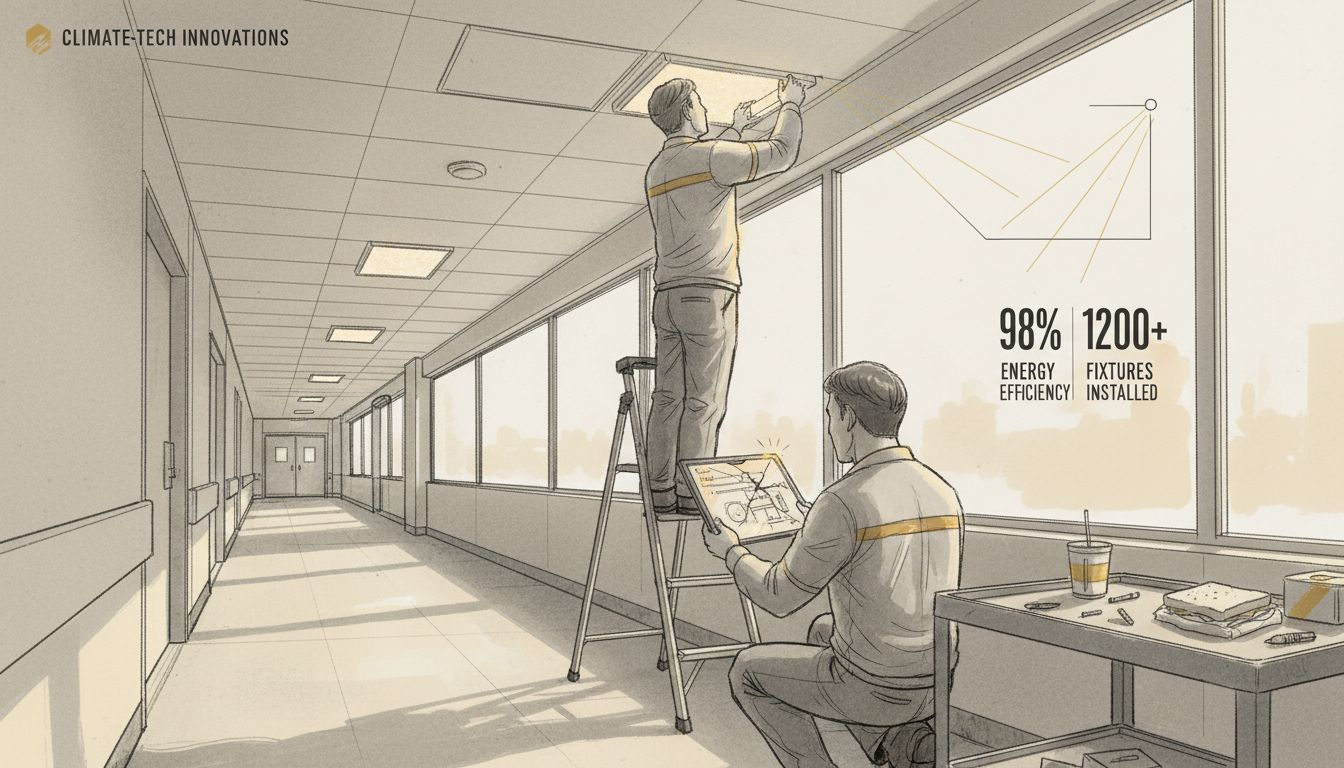
Energy-efficient LED lighting combined with circadian rhythm-aligned artificial lighting represents the pinnacle of sustainable healthcare illumination. Work closely with specialised lighting engineers to design a system that provides precise light spectrum control, enabling you to support patient healing processes while dramatically reducing energy consumption. Ensure your installation includes comprehensive monitoring capabilities that allow real-time performance tracking and future system optimisation.
Top Tip: Invest in a comprehensive training programme for facility staff to ensure optimal use and management of your new advanced lighting technology systems.
Here is a comparison of advanced sustainable lighting technologies and their unique advantages in healthcare settings:
Technology Feature | Purpose | Impact on Healthcare Facility |
Occupancy Sensors | Detect presence for auto lighting adjustments | Reduces energy use in unoccupied areas |
Photocells | Monitor ambient light for dynamic control | Optimises natural vs artificial lighting |
Daylight Harvesting Systems | Utilise available sunlight to adjust LEDs | Lowers electrical consumption significantly |
Circadian Rhythm-Aligned Lighting | Mimics natural day-night light patterns | Supports patient sleep and recovery |
Granular Control Mechanisms | Tailor lighting for specific zones and activities | Enhances comfort and care quality |
Step 4: Integrate AI control and environmental monitoring solutions
Integrating artificial intelligence and environmental monitoring solutions represents the pinnacle of intelligent healthcare infrastructure management. This transformative step will enable your facility to transition from reactive to predictive environmental control.
AI technologies contribute significantly to environmental sustainability in healthcare by enabling unprecedented resource efficiency and operational transparency. These sophisticated systems combine Internet of Things (IoT) sensors, advanced algorithms, and real-time data analytics to create a comprehensive environmental management ecosystem. By implementing such technologies, you can continuously monitor critical parameters like temperature, humidity, air quality, and energy consumption across different facility zones.
IoT-enabled environmental monitoring systems provide granular real-time data tracking that transforms facility management capabilities. Your AI integration should focus on developing predictive analytics that can anticipate maintenance needs, optimise energy consumption, and automatically adjust environmental conditions to support patient recovery. Collaborate with specialised healthcare technology consultants who understand the nuanced requirements of medical environments to design a system that balances technological sophistication with patient care priorities.
Top Tip: Prioritise modular AI systems that allow gradual implementation and can be easily updated as technology evolves.
Step 5: Verify lighting performance and optimise energy efficiency
Verifying lighting performance and optimising energy efficiency represents the final strategic phase in creating a sustainable healthcare lighting ecosystem. This critical evaluation ensures your investment delivers measurable environmental and operational benefits.
Empirical studies emphasise the importance of evaluating lighting performance through standardised metrics, providing a structured approach to assessing your facility’s lighting effectiveness. Your verification process should incorporate comprehensive performance measurement techniques, including quantitative energy consumption analysis, illumination quality assessments, and occupant comfort surveys. Deploy advanced measurement tools that can track real-time energy utilisation, light spectrum distribution, and adaptive control system responsiveness across different facility zones.
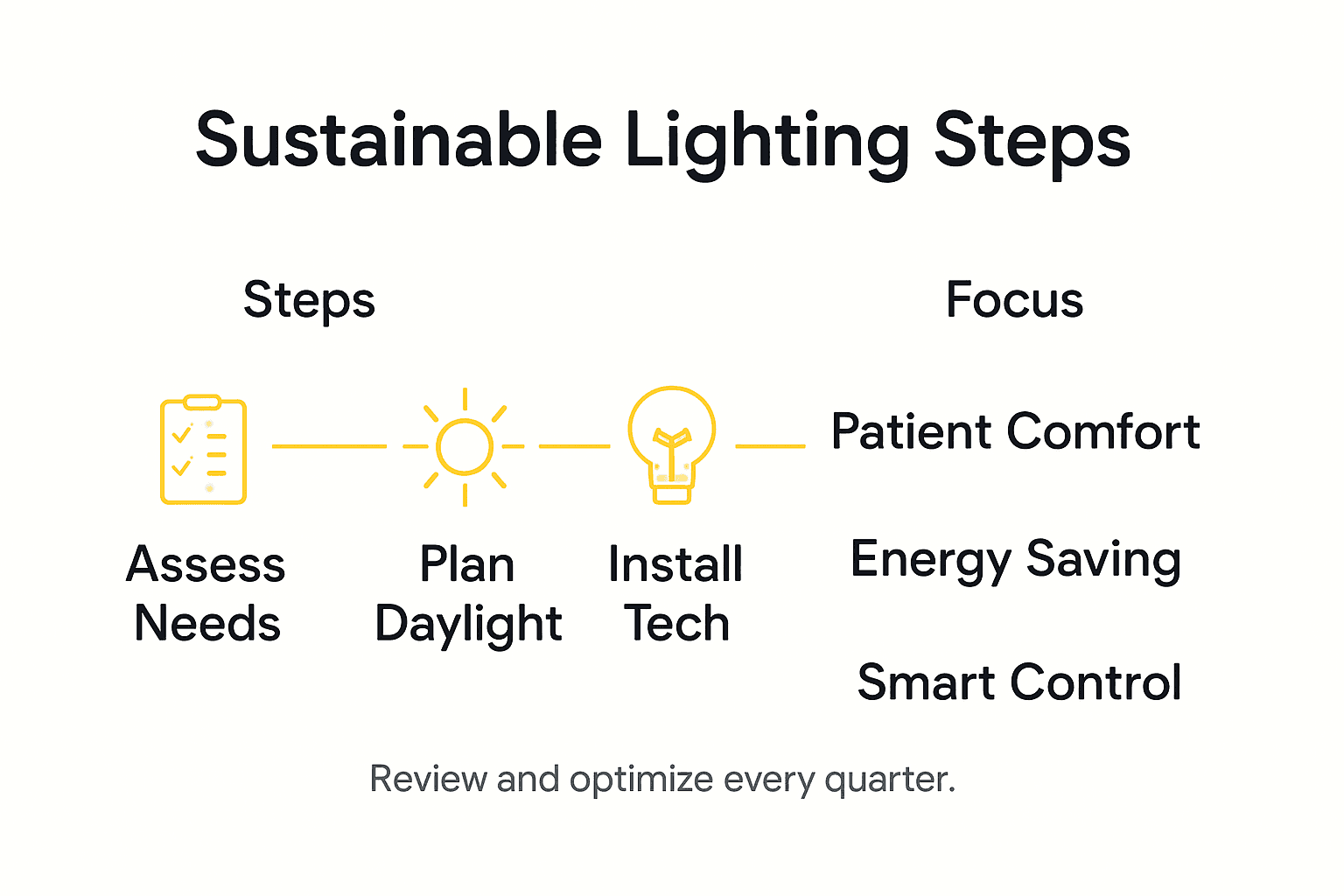
Your energy efficiency optimisation strategy must integrate multiple sophisticated approaches. This includes implementing high-performance glazing technologies, deploying adaptive lighting controls that respond dynamically to occupancy and natural light conditions, and conducting detailed occupant behaviour analysis. Engage specialised energy performance consultants who can provide nuanced insights into potential efficiency improvements, helping you develop a data driven approach to continuous lighting system refinement.
Below is a summary of key performance metrics for verifying healthcare lighting success:
Metric | What it Measures | Benefit for Facility Operations |
Energy Consumption Analysis | Real-time power use by lighting | Identifies high-use, reduces costs |
Illumination Quality | Light spectrum and uniformity | Ensures patient well-being |
Occupant Comfort Surveys | Staff and patient satisfaction scores | Guides ongoing system adjustments |
Adaptive Control Responsiveness | Speed of system adjustments | Maintains optimal lighting conditions |
Glazing Performance | Effectiveness of window technologies | Maximises natural daylight usage |
Top Tip: Schedule quarterly comprehensive lighting performance audits to ensure ongoing system optimisation and maintain peak energy efficiency levels.
Enhance Healthcare Spaces with Innovative Sustainable Lighting Solutions
The challenge of implementing a sustainable lighting strategy in healthcare facilities requires not only assessing daylight potential but also integrating advanced technology that supports patient recovery and staff comfort. If you are looking to overcome obstacles such as optimising natural light redirection, minimising energy costs, and ensuring environmental sustainability, our proprietary reflective panel system at LightMirror is designed precisely for those needs. By combining advanced physics, AI algorithms, and environmental monitoring, we help healthcare environments transform into spaces where natural daylight promotes well-being while achieving significant energy savings.
Explore how our specialised solutions inspired by northern-light phenomena like Saaremaa lighthouse | LightMirror 2023 and calm, therapeutic lighting themes such as Calming sand | LightMirror 2023 can be tailored to your facility. Ready to take the next step toward a greener, healthier, and more efficient healthcare space Visit LightMirror today and discover how our full-service approach from feasibility studies to installation and ongoing support can turn your sustainable lighting goals into reality.
Frequently Asked Questions
What steps should I take to assess daylight potential in my healthcare facility?
Before assessing daylight potential, conduct a thorough spatial analysis of your facility’s architecture. Document factors like window configurations and room dimensions to maximise natural light integration, and consider engaging a professional surveyor for precise measurements.
How do I evaluate the placement of reflective panels for optimal natural light?
Begin by conducting a daylight survey to map solar exposure in different areas of your facility. Focus on patient spaces and work with lighting design professionals to plan the placement of reflective panels to enhance natural illumination while reducing glare.
What advanced lighting technologies should I consider for my healthcare facility?
Integrate systems such as occupancy sensors, daylight harvesting technologies, and circadian rhythm-aligned lighting to create an energy-efficient environment. Choose options that offer granular control to adjust lighting based on specific areas like patient rooms or treatment zones.
How can I implement AI and environmental monitoring in my lighting system?
Start by integrating IoT sensors and AI technologies that can monitor key environmental parameters in real-time. Collaborate with healthcare technology consultants to create a predictive analytics system that optimises energy consumption and improves patient care.
What methods can I use to verify the performance of my lighting system?
Perform comprehensive performance measurements, including energy consumption analysis and occupant comfort surveys, to evaluate your lighting system. Schedule quarterly audits to ensure continuous optimisation and maintain peak energy efficiency levels.
Recommended
Comments