


7 Environmental Benefits of Daylight Systems in Healthcare
- dimmix9
- Dec 14, 2025
- 9 min read
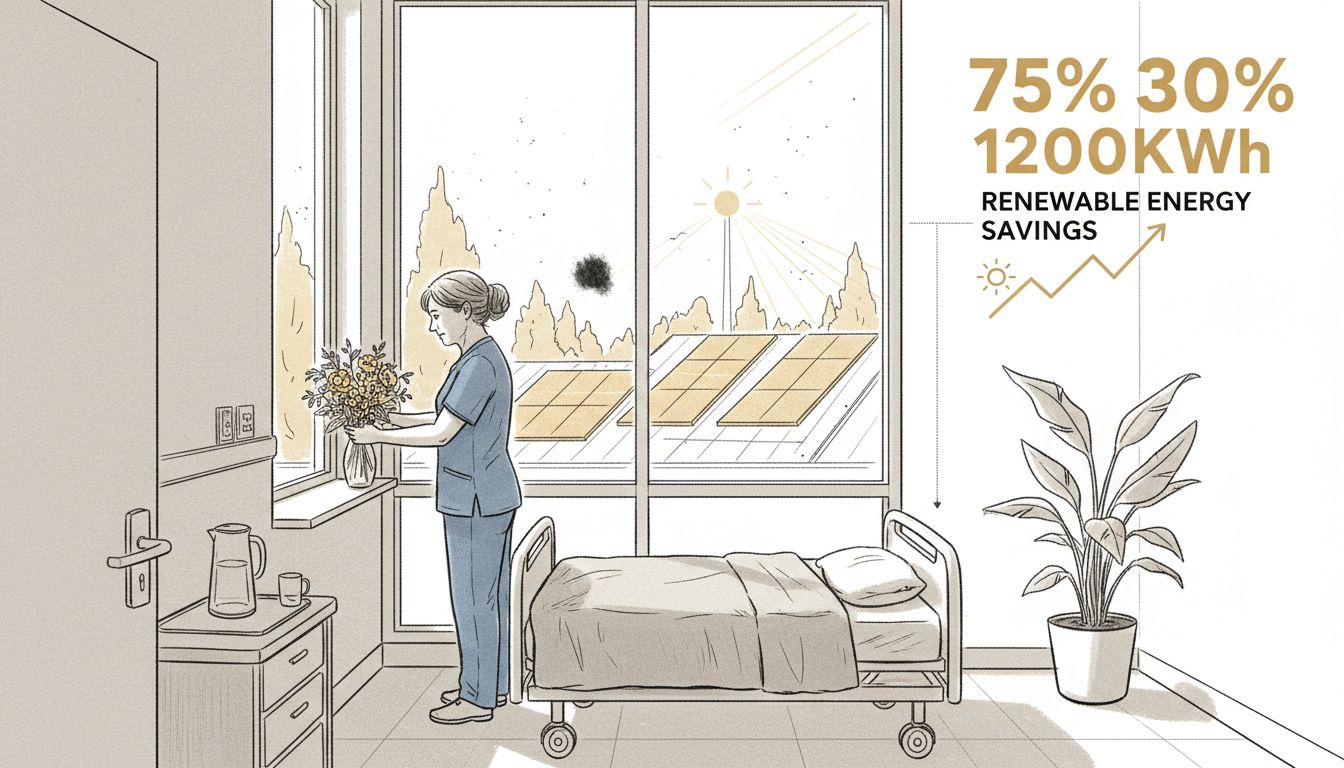
Most british hospitals use artificial lighting for more than 80% of the day, yet a brighter solution lies just outside their windows. Healthcare facilities across the United Kingdom are starting to recognise how natural daylight can reduce energy use by up to 70%, cut carbon emissions, and create healthier indoor spaces. Discover how innovative daylight strategies are shaping a greener, more patient-friendly future for british healthcare environments.
Table of Contents
Quick Summary
Takeaway | Explanation |
1. Reduce Artificial Lighting by 70% | Implementing natural daylight strategies can significantly cut electricity use, minimising artificial lighting reliance in healthcare facilities. |
2. Achieve 50-60% Savings on Lighting Costs | Transitioning to natural daylight solutions offers substantial operational savings, potentially lowering lighting energy expenditure dramatically. |
3. Enhance Indoor Environments for Healing | Natural light improves psychological well-being for patients and staff, fostering a supportive and restorative healthcare atmosphere. |
4. Support Green Building Certifications | Integrating daylight systems aids in achieving certifications, highlighting a commitment to sustainability and better patient care. |
5. Minimise Carbon Emissions in Healthcare | Advanced daylight systems can significantly reduce environmental impact, contributing to lower greenhouse gas emissions in medical facilities. |
1. Lower Energy Use Through Natural Lighting
Healthcare facilities consume substantial energy through artificial lighting systems. By strategically integrating natural daylight, organisations can dramatically reduce electricity consumption and minimise their carbon footprint.
Natural lighting offers remarkable efficiency benefits. Modern daylight integration strategies demonstrate significant potential for energy conservation in medical environments. Reflective daylight systems redirect sunlight deep into building interiors, reducing the need for electrical illumination during daytime hours.
Key Energy Reduction Mechanisms:
Minimise artificial lighting usage by up to 70%
Decrease electrical load on building infrastructure
Reduce heating requirements through passive solar warming
Research indicates that transitioning from traditional fluorescent lighting to natural daylight solutions can generate substantial operational savings. Healthcare administrators can potentially cut lighting energy expenditure by 50 60% through intelligent daylight redirection technologies.
Beyond pure energy economics, natural lighting contributes to a healthier indoor environment. Patients experience improved psychological well being, while medical staff benefit from enhanced workspace illumination. This holistic approach transforms lighting from a mere utility to a strategic environmental and health management tool.
2. Reduced Carbon Emissions in Healthcare Facilities
Healthcare facilities represent a significant yet often overlooked contributor to global carbon emissions. By implementing advanced daylight systems, medical organisations can substantially reduce their environmental impact and energy consumption.
Major healthcare institutions are actively pursuing aggressive carbon reduction strategies. Global pharmaceutical companies are collaborating to address the healthcare sector’s substantial carbon footprint, which currently accounts for nearly 5% of worldwide greenhouse gas emissions.
Strategic Carbon Reduction Approaches:
Transition to renewable energy systems
Implement energy efficient lighting technologies
Develop comprehensive carbon management protocols
Invest in sustainable building infrastructure
Practical carbon reduction extends beyond simple energy management. By integrating natural daylight systems, healthcare facilities can significantly decrease artificial lighting requirements and associated electrical consumption. These innovative solutions not only minimise carbon emissions but also create healthier, more sustainable medical environments.
Imperial College Healthcare provides an exemplary model of systematic carbon reduction. Their comprehensive two year programme aims to reduce greenhouse gas emissions by 43%, demonstrating that strategic investment in sustainable technologies can yield substantial environmental benefits.
Healthcare administrators and facility managers have a critical opportunity to lead environmental transformation through intelligent design choices that prioritise both patient care and planetary health.
3. Enhanced Use of Passive Solar Heating
Healthcare facilities represent complex environments with continuous operational demands and substantial energy requirements. Passive solar heating offers an innovative approach to reducing energy consumption while maintaining optimal indoor temperatures.
Hospital energy sustainability research demonstrates that strategic solar design can significantly minimise net carbon emissions in medical environments. By thoughtfully integrating architectural elements that capture and distribute solar warmth, healthcare buildings can dramatically reduce their reliance on traditional heating systems.
Passive Solar Heating Strategies:
Utilise strategic building orientation
Implement high performance thermal mass materials
Design windows with optimal solar gain characteristics
Create thermal buffer zones within facility layouts
The core principle of passive solar heating involves maximising natural warmth through intelligent architectural design. South facing windows, thermal storage walls, and carefully positioned reflective surfaces can transform sunlight into sustainable heating solutions.
Healthcare administrators can reduce operational costs while simultaneously creating more comfortable, environmentally responsible healing environments. Thermal efficiency becomes a critical component of modern medical facility design, offering economic and ecological advantages simultaneously.
By embracing passive solar technologies, healthcare organisations can create buildings that not only support patient recovery but also demonstrate commitment to environmental stewardship and sustainable infrastructure development.
4. Less Dependence on Artificial Lighting Systems
Healthcare environments traditionally rely heavily on artificial lighting systems, consuming substantial electrical energy and creating suboptimal healing atmospheres. Innovative daylight integration strategies offer a transformative approach to reducing this dependence.
Natural daylight research demonstrates remarkable benefits beyond mere energy conservation. By redirecting sunlight into medical spaces, facilities can create environments that support patient recovery while simultaneously reducing electrical consumption.
Strategic Lighting Reduction Approaches:
Implement advanced reflective panel technologies
Design buildings with optimised solar orientation
Utilise intelligent light redirection systems
Create transparent architectural elements that maximise natural illumination
Modern healthcare design recognises that artificial lighting represents more than an energy expense. Excessive fluorescent and LED lighting can disrupt circadian rhythms, increase patient stress, and create sterile psychological environments.
Healthcare administrators can dramatically reduce artificial lighting dependence by embracing architectural solutions that prioritise natural light transmission. Thoughtfully designed daylight systems can decrease electrical lighting requirements by up to 70%, creating more healing oriented spaces.
The transition from artificial to natural lighting represents a holistic approach to healthcare infrastructure design. By viewing lighting as an integrated aspect of patient care rather than a mere utility, medical facilities can simultaneously improve environmental sustainability and human wellness.
5. Support for Green Building Certifications
Green building certifications represent a transformative approach to sustainable infrastructure development in healthcare environments. These rigorous standards provide a comprehensive framework for measuring and implementing environmental responsibility across medical facilities.
Green building standards demonstrate how systematic certification processes can verify and validate sustainable architectural practices. For healthcare administrators, achieving these certifications represents a strategic commitment to environmental stewardship and operational efficiency.
Key Certification Support Strategies:
Document natural lighting integration methods
Quantify energy efficiency improvements
Demonstrate reduced carbon emissions
Showcase sustainable design innovations
Track environmental performance metrics
Daylight systems play a critical role in supporting green building certification requirements. By implementing advanced natural lighting technologies, healthcare facilities can significantly improve their sustainability scores across multiple assessment criteria.
Certification programmes like BREEAM and LEED evaluate buildings based on comprehensive environmental performance indicators. Innovative daylight solutions provide tangible evidence of an organisation’s commitment to reducing energy consumption and creating healthier indoor environments.
Healthcare leaders can transform their facilities from mere functional spaces into showcases of environmental innovation. Green building certifications offer a structured pathway to demonstrating meaningful ecological responsibility while simultaneously improving patient care environments.
6. Minimised Environmental Impact of Healthcare Operations
Healthcare operations represent a significant contributor to global carbon emissions, consuming substantial energy and resources. Advanced daylight systems offer a sophisticated approach to minimising environmental impact across medical infrastructure.
Global healthcare sustainability efforts demonstrate an increasing commitment to reducing the sector’s environmental footprint. The healthcare industry currently accounts for nearly 5% of worldwide greenhouse gas emissions, presenting a critical opportunity for transformative environmental strategies.
Environmental Impact Reduction Strategies:
Implement advanced natural lighting technologies
Reduce electrical energy consumption
Minimise artificial heating requirements
Create more sustainable operational environments
Track and report environmental performance metrics
Daylight systems provide a multifaceted approach to environmental management. By redirecting natural sunlight, healthcare facilities can simultaneously reduce electrical lighting needs, decrease heating costs, and create more supportive healing environments.
Modern medical administrators recognise that environmental responsibility extends beyond simple energy conservation. Intelligent daylight integration represents a holistic approach to sustainable healthcare infrastructure that addresses ecological impact while maintaining exceptional patient care standards.
The transition towards environmentally conscious medical facilities requires strategic investment in innovative technologies. Daylight systems offer a pragmatic pathway to reducing operational carbon emissions while creating more humane and efficient healing spaces.
7. Improved Indoor Environments for Well-being
Healthcare environments profoundly influence patient recovery and staff psychological resilience. Natural daylight represents a transformative element in creating healing spaces that support comprehensive well-being.
Research into healthcare environments demonstrates remarkable connections between natural light exposure and patient outcomes. Sophisticated daylight systems can dramatically reduce stress levels, accelerate healing processes, and create more supportive therapeutic atmospheres.
Well-being Enhancement Strategies:
Maximise natural light penetration
Create balanced illumination zones
Reduce psychological stress through environmental design
Support circadian rhythm regulation
Improve overall sensory experience
Natural daylight interacts with human physiology in complex and nuanced ways. By carefully redirecting sunlight into medical spaces, healthcare designers can create environments that actively contribute to patient recovery and medical staff psychological resilience.
Beyond immediate psychological benefits, improved indoor environments support broader physiological processes. Exposure to natural light can help regulate sleep cycles, boost vitamin D production, and create a sense of connection with external environments.
Healthcare facilities are increasingly recognising that environmental design is not a peripheral consideration but a critical component of holistic patient care. Intelligent daylight systems transform medical spaces from sterile treatment zones into genuinely supportive healing environments.
Below is a comprehensive table summarising the main strategies and benefits discussed throughout the article regarding energy conservation and environmental impact in healthcare facilities.
Strategy | Implementation | Expected Results |
Natural Lighting Integration | Use of reflective daylight systems and solar orientation | Reduce artificial lighting by up to 70% Enhance indoor environment quality |
Passive Solar Heating | Strategic building orientation and thermal mass materials | Decrease reliance on traditional heating Lower carbon emissions |
Daylight Systems for Carbon Reduction | Advanced light redirection Reduced electrical consumption | Minimise environmental impact Improve patient and staff well-being |
Support for Green Building Certifications | Incorporation of sustainable design innovations | Achieve BREEAM/LEED certifications Demonstrate environmental responsibility |
Reduced Environmental Impact | Adoption of renewable energies Reduce artificial lighting loads | Lower healthcare sector carbon footprint |
Environmental transformation | ||
Enhanced Well-being through Design | Maximise natural light penetration and balanced illumination zones | Improved patient recovery Reduced stress levels |
Transform Healthcare Environments with Advanced Daylight Systems
The article highlights critical challenges in healthcare facilities such as high energy consumption from artificial lighting, excessive carbon emissions, and the need to enhance patient and staff well-being through natural light exposure. These pain points underscore the importance of integrating intelligent daylight systems that not only reduce reliance on artificial lighting but also support passive solar heating and promote environmental sustainability. Understanding concepts like reducing electrical loads, minimising carbon footprints and achieving green building certifications can empower healthcare administrators to make impactful infrastructure decisions.
At LightMirror, we specialise in cutting-edge daylight technologies tailored for healthcare settings. Our proprietary reflective panel systems employ advanced physics and AI to optimize natural sunlight redirection, enabling up to 70 percent reduction in artificial lighting requirements while supporting healthier, energy-efficient indoor environments. Explore collections like Healing Hill | LightMirror 2023 for solutions designed to elevate patient recovery through enhanced natural illumination.
Take the next step to reduce operational costs and environmental impact today. Discover how our expertise can help your healthcare facility meet rigorous standards such as BREEAM and LEED by visiting LightMirror 2023 and learn how your organisation can lead sustainable healthcare innovations.
Frequently Asked Questions
How can daylight systems reduce energy consumption in healthcare facilities?
Daylight systems can reduce reliance on artificial lighting by up to 70%, which directly lowers electricity usage. Consider integrating reflective daylight technologies into your facility to maximise natural light and decrease overall energy expenses.
What are the carbon emission benefits of implementing daylight systems?
Integrating daylight systems in healthcare facilities can significantly diminish carbon emissions associated with artificial lighting. To achieve this, evaluate your current lighting setup and shift towards advanced daylight solutions to enhance sustainability and reduce emissions by potentially 50-60%.
How do daylight systems contribute to patient recovery and staff well-being?
Natural daylight has been shown to enhance psychological well-being for both patients and staff, promoting faster recovery and reducing stress. Incorporate design elements that maximise natural light exposure to create a more supportive healing environment.
What steps can healthcare facilities take to support green building certifications?
Implementing daylight systems aids in meeting green building certification standards, such as LEED or BREEAM, by demonstrating energy efficiency and reduced carbon emissions. Document your daylight integration methods and track environmental performance metrics as you work towards certification.
How does passive solar heating improve indoor environments in healthcare settings?
Passive solar heating strategically uses sunlight to maintain comfortable indoor temperatures, which can lessen dependence on traditional heating systems. Optimise your building’s orientation and utilise thermal mass materials to leverage natural heat and enhance energy efficiency.
What are the long-term operational savings from using daylight systems in healthcare?
Implementing daylight systems can lead to significant operational savings, with reductions in lighting energy expenditure by 50-60%. Plan to invest in these systems to lower ongoing costs and improve environmental sustainability in your healthcare facility.
Recommended
Comments