


Why Optimise Daylight in Healthcare Settings
- Dimitri

- Dec 26, 2025
- 7 min read
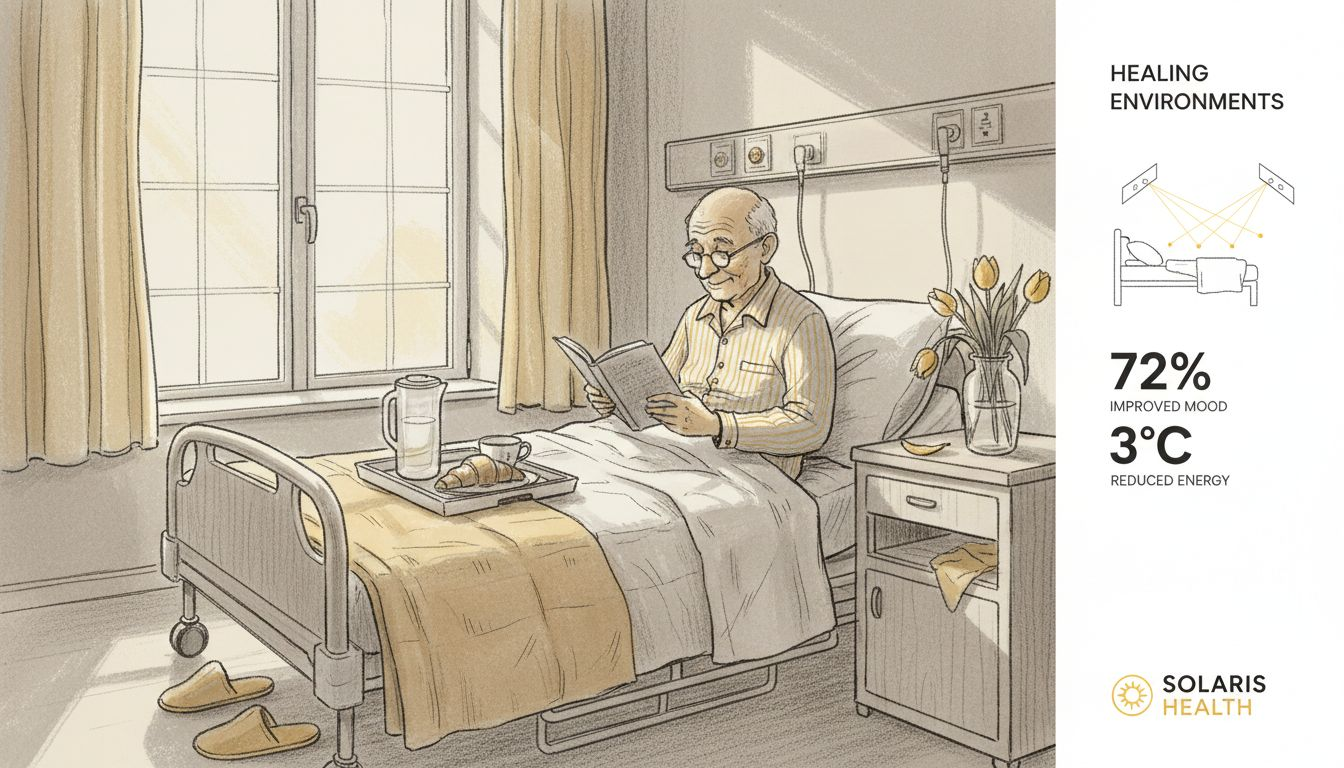
More than 30 percent of british hospitals are now prioritising daylight optimisation, recognising its profound influence on patient recovery rates and staff well-being. For European healthcare facility managers, this focus goes beyond aesthetics, aiming to create spaces where natural light actively supports healing and reduces long-term operational costs. This overview explores the key factors that set truly effective daylighting strategies apart, offering practical insights for energy-efficient hospital upgrades committed to patient health.
Table of Contents
Key Takeaways
Point | Details |
Optimised Daylight Design | Strategically maximises natural light to enhance healing and staff productivity in healthcare environments. |
Multidisciplinary Approach | Integrates architecture, environmental physics, and medical research for effective daylight optimisation. |
Psychological and Physiological Benefits | Natural light positively influences patient recovery, reduces stress, and enhances overall wellbeing. |
Economic Advantages | Implementation of daylighting systems can lead to substantial energy savings and lower operational costs for healthcare facilities. |
Defining Optimised Daylight in Healthcare Environments
Optimised daylight in healthcare environments represents a strategic approach to designing interior spaces that maximise natural light exposure while maintaining critical functional requirements. This sophisticated concept goes beyond simple illumination, focusing on creating healing environments that positively impact patient recovery, staff productivity, and overall healthcare facility performance. Comprehensive facade design studies demonstrate how systematic lighting strategies can transform medical spaces.
At its core, optimised daylight involves precisely engineered approaches to light distribution, carefully balancing transparency and architectural elements to achieve optimal indoor conditions. Healthcare designers must consider multiple interconnected factors: window placement, reflective surfaces, room orientation, glazing technologies, and the psychological impact of natural illumination. The goal is not merely brightness, but creating nuanced lighting environments that support physiological and psychological healing processes.
Effective daylight optimisation requires a multidisciplinary approach integrating architectural design, environmental physics, and medical research. Key parameters include light intensity, colour temperature, glare reduction, and thermal performance. Advanced systems now incorporate intelligent technologies that dynamically adjust lighting conditions, responding to changing environmental conditions and specific healthcare space requirements. By implementing sophisticated daylight strategies, medical facilities can create environments that simultaneously enhance patient well-being, reduce energy consumption, and improve overall spatial functionality.
Pro Tip: When planning healthcare lighting upgrades, always conduct comprehensive light mapping studies to understand precise daylight dynamics within your specific architectural context.
Types of Daylighting Systems and Their Benefits
Healthcare facilities are increasingly adopting sophisticated daylighting systems that go beyond traditional window designs, incorporating advanced technologies to optimise natural light distribution. Comprehensive international energy research reveals multiple innovative approaches for integrating natural illumination into medical environments.
Primary daylighting systems in healthcare settings include reflective light shelves, prismatic glazing, light tubes, and intelligent dynamic glass technologies. Reflective light shelves redirect sunlight deeper into interior spaces, reducing glare and creating uniform illumination. Prismatic glazing uses specialised glass with geometric patterns to diffuse and distribute light more effectively, while light tubes capture rooftop sunlight and channel it through reflective tunnels into windowless areas. Advanced dynamic glass systems can automatically adjust transparency and light transmission based on external conditions, providing unprecedented control over indoor lighting environments.
Each daylighting system offers distinct advantages for healthcare settings. Reflective systems improve patient comfort by minimising harsh direct sunlight, while light tubes can illuminate areas traditionally challenging to illuminate naturally. Dynamic glass technologies provide additional benefits like thermal regulation, reducing heating and cooling costs. By strategically implementing these systems, healthcare facilities can create healing environments that simultaneously support patient recovery, enhance staff well-being, and reduce energy consumption through intelligent natural light management.
Pro Tip: When selecting daylighting systems, prioritise solutions that offer multi-functional benefits beyond simple illumination, such as thermal regulation and glare reduction.
Below is a comparison of key daylighting systems used in healthcare and their unique contributions:
System Type | Main Function | Added Value in Healthcare |
Reflective Light Shelves | Redirect sunlight deeper indoors | Uniform light, reduced glare |
Prismatic Glazing | Diffuse and distribute daylight | Balanced illumination, privacy |
Light Tubes | Channel roof light into interiors | Illuminate windowless spaces |
Dynamic Glass | Adjust transparency via controls | Glare management, thermal comfort |
How Daylight Optimisation Supports Patient Recovery
Daylight optimisation represents a revolutionary approach to patient care, demonstrating profound physiological and psychological benefits that extend far beyond simple room illumination. Comprehensive medical research reveals striking correlations between natural light exposure and accelerated patient recovery, highlighting the critical role of strategic daylight design in healthcare environments.
The physiological mechanisms underlying daylight’s healing potential are multifaceted. Natural light regulates patients’ circadian rhythms, stimulating melatonin and serotonin production, which directly influence sleep quality, mood regulation, and immune system performance. Patients exposed to optimal daylight experience reduced stress hormones, improved pain tolerance, and enhanced metabolic functioning. Specific studies have demonstrated that hospital rooms with superior natural light configurations can reduce average patient stay duration, decrease reliance on pain medication, and improve overall psychological well-being.
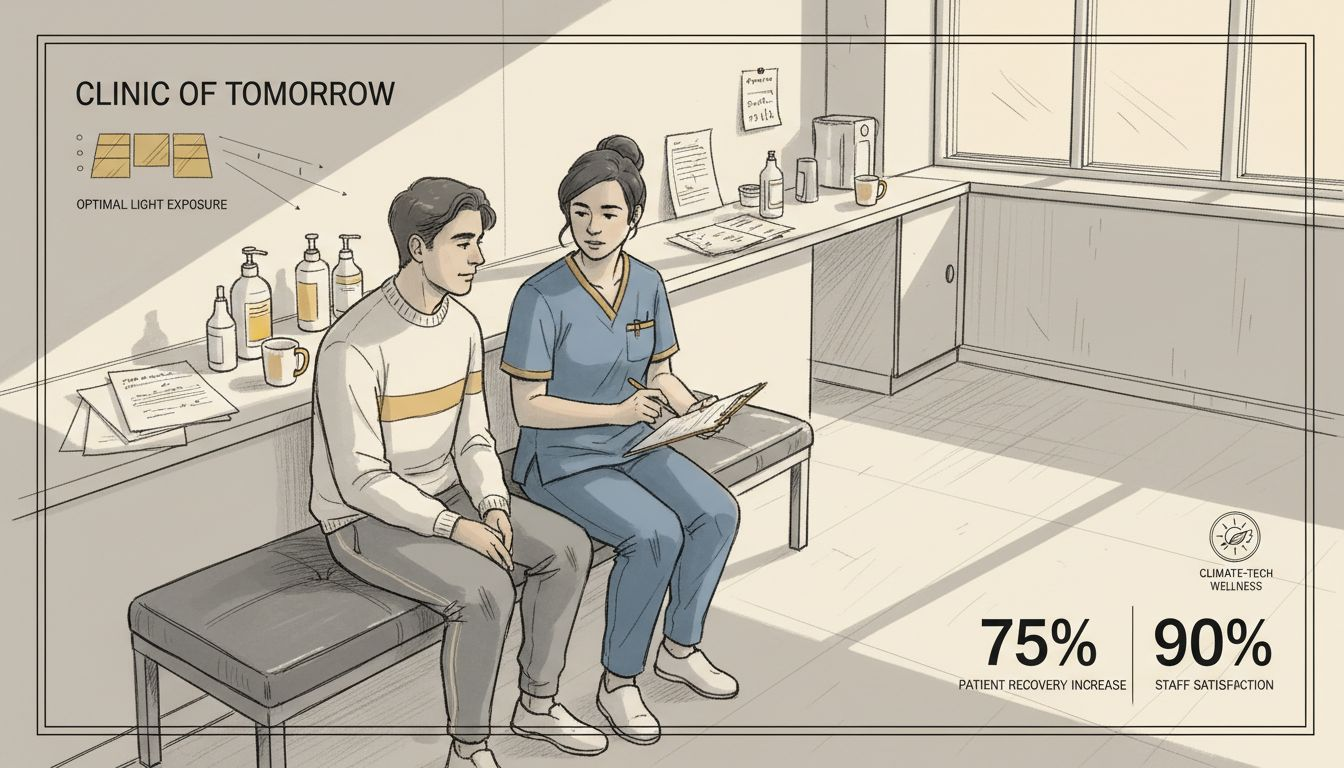
Psychological benefits of daylight optimisation are equally compelling. Patients in well-illuminated environments report lower anxiety levels, improved emotional states, and a more positive perception of their treatment experience. Natural light creates a sense of connection with external environments, mitigating feelings of isolation common in clinical settings. By carefully designing spaces that maximise daylight penetration, healthcare facilities can transform sterile medical environments into healing landscapes that actively support patient recovery through holistic, light-centred design strategies.
Pro Tip: Incorporate multiple daylight sources and use varied light-diffusing technologies to create dynamic, healing environments that support patient psychological and physiological recovery.
Energy Efficiency and Environmental Impact Explained
Healthcare facilities consume substantial energy resources, making daylight optimisation a critical strategy for reducing environmental footprint and operational expenses. Healthcare environmental strategies demonstrate that intelligent natural lighting approaches can dramatically decrease artificial energy consumption while simultaneously improving building performance.
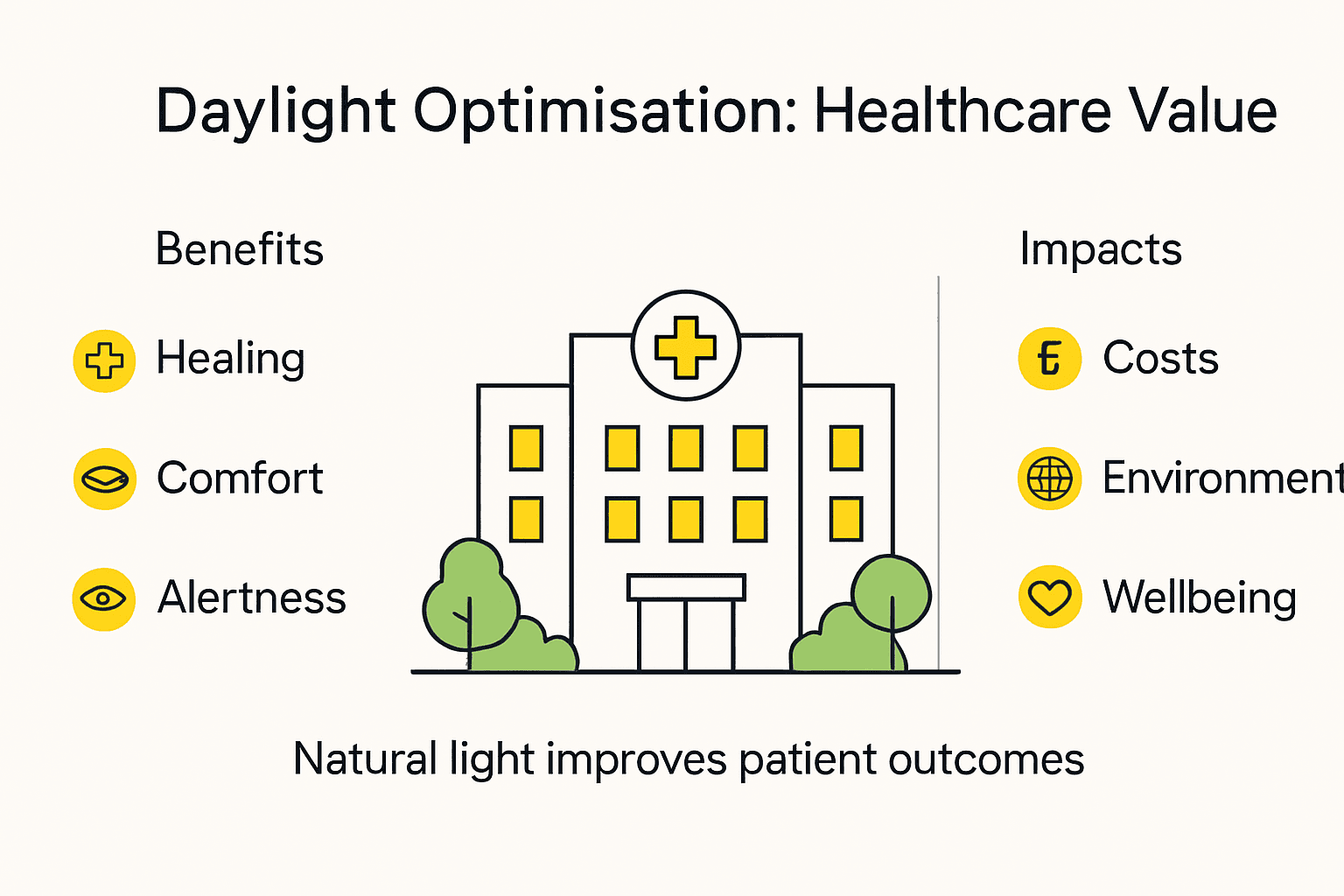
The environmental benefits of daylight optimisation extend beyond immediate energy savings. By reducing reliance on electrical lighting systems, healthcare facilities can significantly lower their carbon emissions and contribute to broader sustainability goals. Advanced daylighting technologies minimise heat gain and loss, creating thermal buffers that reduce heating and cooling demands. These systems leverage sophisticated reflective technologies, intelligent glass treatments, and strategic architectural design to maximise natural light penetration while maintaining optimal indoor climate conditions.
Economic considerations further underscore the importance of energy-efficient lighting solutions. Healthcare organisations can realise substantial cost reductions through strategic daylight implementation, with potential energy savings ranging between 20-40% compared to traditional lighting approaches. These savings stem from reduced electricity consumption, lower maintenance requirements for artificial lighting systems, and decreased thermal management costs. By integrating cutting-edge daylight technologies, healthcare facilities can simultaneously address environmental responsibilities, financial constraints, and operational efficiency requirements.
This table summarises the impacts of optimised daylight across healthcare facility priorities:
Objective | Influence of Daylight Optimisation | Example Outcome |
Patient Recovery | Supports circadian rhythm, improves mood | Shorter stays, less medication |
Staff Productivity | Reduces eye strain, boosts morale | Higher job satisfaction |
Environmental Impact | Lowers artificial lighting demand | Reduced carbon emissions |
Economic Benefits | Minimises energy and maintenance costs | 20–40% energy savings |
Pro Tip: Conduct comprehensive energy audits to identify specific opportunities for daylight optimisation and quantify potential environmental and economic benefits.
Avoiding Pitfalls: Common Mistakes in Daylight Design
Designing effective daylight strategies for healthcare environments requires nuanced understanding and precise implementation. Evidence-based design recommendations reveal numerous architectural pitfalls that can compromise patient recovery and facility performance, emphasising the complexity of creating optimal healing spaces through natural illumination.
One critical mistake healthcare designers frequently encounter is improper window orientation and sizing. Oversimplified approaches often fail to account for geographical location, seasonal solar angles, and specific room functions. Poorly positioned windows can create excessive glare, uneven light distribution, and thermal inefficiencies that counteract potential healing benefits. Designers must meticulously analyse solar trajectories, consider external obstructions, and implement sophisticated shading mechanisms to manage light quality and prevent visual discomfort.
Additional common errors include neglecting circadian rhythm considerations and underestimating the psychological impacts of light quality. Many healthcare facilities install uniform lighting systems that ignore human biological responses to different light spectrums and intensities. This approach undermines natural healing processes by disrupting patients’ internal biological clocks. Successful daylight design requires sophisticated understanding of how varied light wavelengths influence hormonal regulation, sleep patterns, and overall physiological recovery mechanisms.
Pro Tip: Engage multidisciplinary teams including architects, lighting specialists, and medical researchers to develop holistic daylight design strategies that address complex healthcare environment requirements.
Enhance Healthcare Spaces with Advanced Daylight Solutions
The article highlights the crucial challenge of achieving optimised daylight in healthcare settings to support patient recovery, staff well-being, and energy efficiency. Common issues include managing natural light distribution, reducing glare, and aligning daylight strategies with circadian rhythms and thermal comfort. These pain points are directly addressed by cutting-edge technologies that redirect natural sunlight while balancing internal environmental needs.
At LightMirror, we specialise in innovative systems that use reflective panels and AI-driven environmental monitoring to maximise natural light penetration into hospital and care home interiors. Our solutions not only enhance patient healing by improving daylight exposure but also significantly reduce artificial lighting and heating demands, aligning with green building standards such as BREEAM and LEEDS. Explore our Calming Sand collection for products designed to create soothing, light-optimised environments that support recovery and staff comfort.
Ready to transform your healthcare facility with sustainable, health-focused daylight optimisation? Discover how to harness natural light effectively by visiting our Night Sky collection and learn more about our comprehensive service offerings on the LightMirror homepage. Take the first step towards enhanced patient outcomes and reduced energy costs today.
Frequently Asked Questions
What is optimised daylight in healthcare environments?
Optimised daylight in healthcare environments is a strategic approach to designing spaces that maximises natural light exposure while fulfilling essential functional requirements, positively impacting patient recovery and staff productivity.
How does daylight optimisation benefit patient recovery?
Daylight optimisation has physiological and psychological benefits, including improved mood, sleep quality, and immune function, which can lead to shorter hospital stays and decreased reliance on pain medication.
What types of daylighting systems are commonly used in healthcare settings?
Common daylighting systems include reflective light shelves, prismatic glazing, light tubes, and dynamic glass technologies. Each system offers unique advantages, such as glare reduction, better light diffusion, and thermal regulation.
What are the common mistakes in designing daylight strategies for healthcare facilities?
Common mistakes include improper window orientation and sizing, neglecting circadian rhythms, and underestimating the psychological impacts of light quality, which can compromise the healing benefits of natural light.
Recommended
Comments