


Solar Reflection Panels: Transforming Healthcare Lighting
- Dimitri

- Jan 3
- 7 min read

Across British hospitals and care homes, a spotlight shines on the potential of solar reflection panels to address both patient outcomes and operational costs. Studies show natural light can cut energy use by up to 50% while easing patient stress and aiding recovery. Sustainability leaders recognise that integrating advanced reflective technology is not just an environmental step forward. It is a direct investment in patient well-being, institutional credibility, and smart energy management.
Table of Contents
Key Takeaways
Point | Details |
Importance of Solar Reflection Panels | Solar reflection panels significantly enhance lighting in healthcare settings, positively impacting patient recovery and staff working conditions. |
Energy Efficiency and Sustainability | These systems can reduce energy costs by 30-50%, thereby contributing to environmental sustainability through lower carbon emissions and supporting green initiatives. |
Implementation Considerations | Conduct thorough site-specific assessments and engage multidisciplinary teams to optimise panel positioning and integration within existing healthcare infrastructures. |
Impact on Patient Well-being | Natural light from solar reflection panels improves psychological health and accelerates recovery times, demonstrating the benefits of strategic light management. |
Defining Solar Reflection Panels In Healthcare
Solar reflection panels represent a sophisticated technological solution designed specifically for transforming healthcare lighting environments through strategic natural light redirection. These advanced systems utilise precisely engineered reflective surfaces to capture and redistribute sunlight into interior hospital spaces, dramatically improving patient recovery zones and staff working conditions.
The core functionality of solar reflection panels involves complex optical engineering principles that enable precise solar light manipulation. By strategically positioning reflective panels at calculated angles, healthcare facilities can maximise natural daylight penetration into areas traditionally challenged by limited external light access. Advanced solar energy systems in healthcare facilities demonstrate significant potential for reducing artificial lighting requirements while simultaneously enhancing environmental sustainability.
Healthcare solar reflection technology offers multiple critical advantages beyond simple illumination. These panels not only redirect natural light but also contribute to energy efficiency by reducing electrical lighting consumption and supporting thermal management. The systems integrate advanced physics principles, allowing healthcare administrators to create healing environments that simultaneously address patient well-being and institutional energy conservation objectives.
Insider Tip: When implementing solar reflection panels, always conduct a comprehensive site-specific light mapping assessment to optimise panel positioning and maximise natural light distribution.
Types And Technologies Of Reflective Panels
Healthcare solar reflection panel technologies represent a sophisticated spectrum of engineering solutions designed to optimise natural light distribution and energy efficiency. These systems range from highly specialised static reflective panels to advanced dynamic tracking mechanisms that continuously adjust to maximise solar radiation capture and redirection.
Passive Reflective Panel Technologies include traditional fixed-angle mirror panels constructed from materials like polished aluminium, specialised glass, and high-performance ceramic coatings. These panels are strategically positioned to capture and redirect sunlight into interior spaces with minimal mechanical intervention. Mirror-reflective solar panel technologies demonstrate remarkable potential for integrating automatic cooling and tracking mechanisms that enhance solar energy capture efficiency across various healthcare environments.
Moreover, Active Reflective Panel Systems represent the cutting-edge of solar reflection technology. These sophisticated panels incorporate electronic sensors, micro-adjustable mechanisms, and real-time environmental monitoring to dynamically optimise light reflection angles. Such systems can automatically compensate for seasonal solar trajectory changes, building orientation, and localised atmospheric conditions, ensuring maximum natural light penetration throughout different times of day and year.
Pro Tip: When selecting reflective panel technologies for healthcare settings, prioritise systems with high durability ratings and minimal maintenance requirements to ensure consistent performance and long-term cost-effectiveness.
Here is a comparison of Passive and Active Reflective Panel Technologies in healthcare:
Technology Type | Key Mechanism | Typical Materials | Adaptability Level |
Passive Reflective | Fixed-angle reflection | Polished aluminium, glass | Limited, set adjustment |
Active Reflective | Dynamic, sensor-guided angles | Electronic actuators, composites | High, responds to conditions |
How Solar Reflection Panels Function Indoors
Solar reflection panels operate through sophisticated optical engineering principles that transform natural sunlight into an intelligent indoor lighting solution for healthcare environments. These innovative systems leverage precise geometric configurations and advanced material sciences to redirect and amplify sunlight, creating nuanced illumination strategies that extend far beyond traditional lighting approaches.
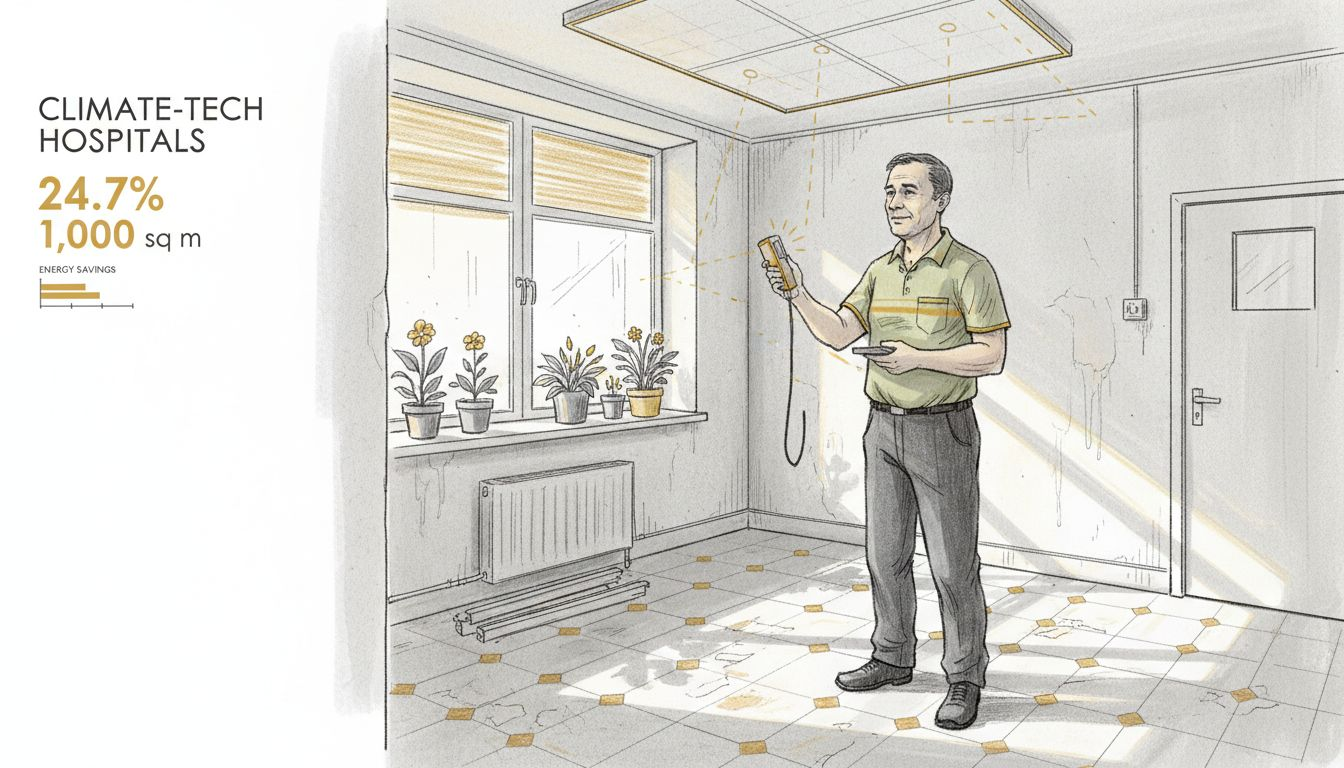
The indoor light redirection mechanism involves multiple intricate stages of solar energy management. Reflective panels are strategically positioned to capture incoming sunlight at optimal angles, using specialised surface coatings that maximise light absorption and minimise energy loss. These panels then carefully redirect captured light through interior spaces, distributing illumination with remarkable precision. Natural light optimisation steps demonstrate how calculated panel placement can significantly enhance interior lighting quality without introducing direct glare or thermal overload.
Moreover, contemporary solar reflection technologies incorporate intelligent sensor systems that dynamically adjust panel orientation and reflective angles. These adaptive mechanisms continuously analyse ambient light conditions, building geometry, and seasonal solar trajectories to ensure consistent, uniform light distribution. By employing advanced computational algorithms, the panels can compensate for environmental variables, maintaining optimal indoor illumination throughout changing daylight conditions.
Pro Tip: Conduct comprehensive site-specific light mapping assessments before panel installation to identify optimal positioning and maximise natural light penetration efficiency.
Key Benefits For Hospitals And Care Homes
Solar reflection panels offer transformative advantages for healthcare facilities, addressing critical challenges in patient care, operational efficiency, and environmental sustainability. These innovative technologies provide multifaceted benefits that extend far beyond traditional lighting solutions, creating healing environments that actively support patient recovery and institutional performance.
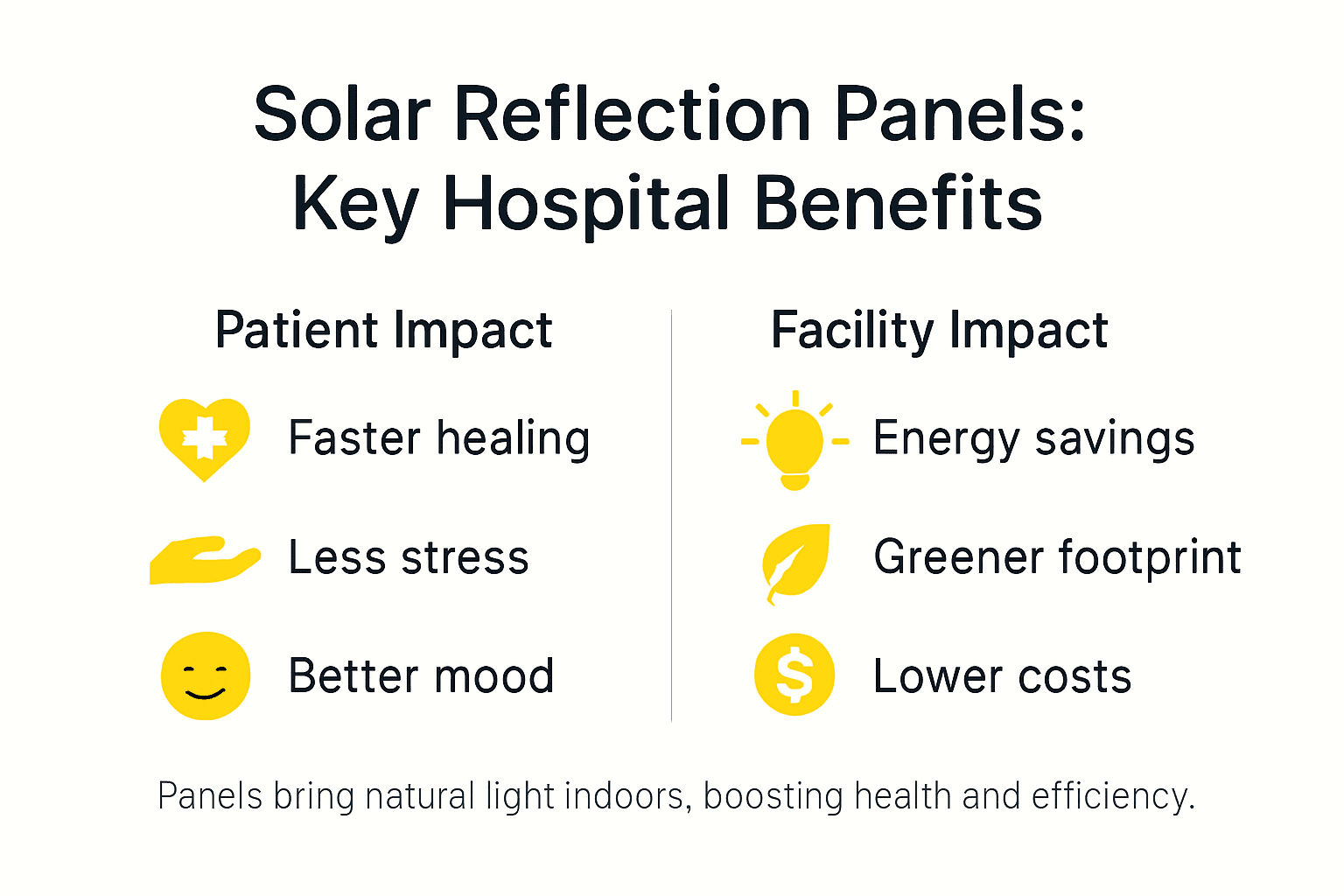
The most significant benefits emerge through enhanced patient healing environments. Natural light delivered through solar reflection panels has demonstrably positive impacts on patient psychological and physiological well-being. Research indicates that carefully managed daylight can reduce stress, improve circadian rhythms, accelerate recovery times, and decrease patient dependency on pharmaceutical interventions. Solar energy systems for healthcare facilities highlight how strategic light management contributes substantially to creating therapeutic spaces that actively support medical treatment protocols.
From an institutional perspective, solar reflection panels deliver remarkable economic and environmental advantages. Healthcare facilities implementing these technologies can achieve significant energy cost reductions, with potential savings ranging between 30-50% in lighting and thermal management expenses. The panels simultaneously reduce carbon emissions, support green building certifications, and demonstrate institutional commitment to sustainable healthcare infrastructure. By integrating advanced solar reflection technologies, hospitals and care homes can transform their environmental impact while creating more compassionate, healing-oriented spaces.
Pro Tip: Conduct a comprehensive energy audit before implementing solar reflection panels to precisely quantify potential cost savings and environmental benefits specific to your healthcare facility.
Below is a summary of the main benefits solar reflection panels offer to hospitals and care homes:
Benefit Area | Key Outcome | Additional Impact |
Patient Well-being | Enhanced psychological health | Improved recovery and mood |
Energy Efficiency | Lower lighting costs | Reduced operational expenditure |
Environmental Impact | Lower carbon emissions | Support for green certifications |
Challenges, Risks, And Integration Factors
Healthcare institutions contemplating solar reflection panel implementation must navigate a complex landscape of technological, architectural, and operational challenges. These sophisticated systems, while promising transformative benefits, require meticulous planning and strategic approach to ensure successful integration and optimal performance within medical environments.
One primary challenge involves managing potential unintended optical consequences of reflective surfaces, including glare and localised heat concentration. Reflective panels must be engineered with precision to prevent disruptive light patterns that could negatively impact patient recovery spaces, staff working conditions, and overall environmental comfort. Sophisticated material selection, advanced computational modeling, and strategic panel positioning become critical in mitigating these potential risks.
Moreover, technical integration challenges demand comprehensive stakeholder engagement and systematic implementation strategies. Healthcare facilities must assess existing infrastructure compatibility, evaluate maintenance requirements, and develop robust implementation protocols. This involves conducting thorough site-specific environmental assessments, understanding unique architectural constraints, and developing tailored solutions that align with institutional energy management objectives and patient care standards.
Pro Tip: Engage multidisciplinary teams including healthcare administrators, architectural engineers, and lighting specialists during initial solar reflection panel assessment to develop holistic, context-specific implementation strategies.
Unlock the Power of Natural Light for Healthier Care Environments
The challenges highlighted around integrating solar reflection panels in healthcare settings reveal a critical need for solutions that deliver precise natural light redirection while minimising risks such as glare and heat concentration. Healthcare decision-makers strive to enhance patient well-being, reduce energy costs, and uphold sustainability standards without compromising architectural and operational demands. Our proprietary system expertly addresses these goals by combining advanced physics, AI algorithms, and environmental monitoring to optimise daylight distribution in hospital and care home interiors.
Experience the transformative benefits of improved patient recovery environments and significant operational savings with a tailored approach that accounts for your unique building geometry and ambient conditions. Learn how our comprehensive services—from site-specific feasibility studies to expert installation and ongoing support—can make your facility a pioneer in sustainable healthcare infrastructure. To explore how solar reflection panels can elevate your healthcare space, visit Light-Mirror today and discover our innovative solutions directly aligned with your needs. Act now to start your journey towards a healthier, energy-efficient future with Light-Mirror’s sustainable lighting technology and see how our system outperforms traditional options through cutting-edge natural light optimisation strategies.
Frequently Asked Questions
What are solar reflection panels in healthcare?
Solar reflection panels are advanced systems designed to capture and redirect natural sunlight into healthcare environments, enhancing lighting conditions while promoting patient recovery and energy efficiency.
How do solar reflection panels function indoors?
These panels operate through complex optical engineering, strategically capturing sunlight at optimal angles and using advanced materials to redirect and amplify light throughout interior healthcare spaces.
What are the benefits of using solar reflection panels in hospitals?
Solar reflection panels enhance patient well-being by improving natural light access, leading to reduced stress and faster recovery. They also lower energy costs and support environmental sustainability by reducing carbon emissions.
What challenges are associated with integrating solar reflection panels into healthcare facilities?
Key challenges include managing glare and heat concentration caused by reflective surfaces. Thorough planning, precise engineering, and site-specific assessments are crucial to mitigate potential risks and ensure optimal performance.
Recommended
Comments