


Daylight Design Basics: Enhancing Healthcare Environments
- Dimitri

- Dec 25, 2025
- 7 min read
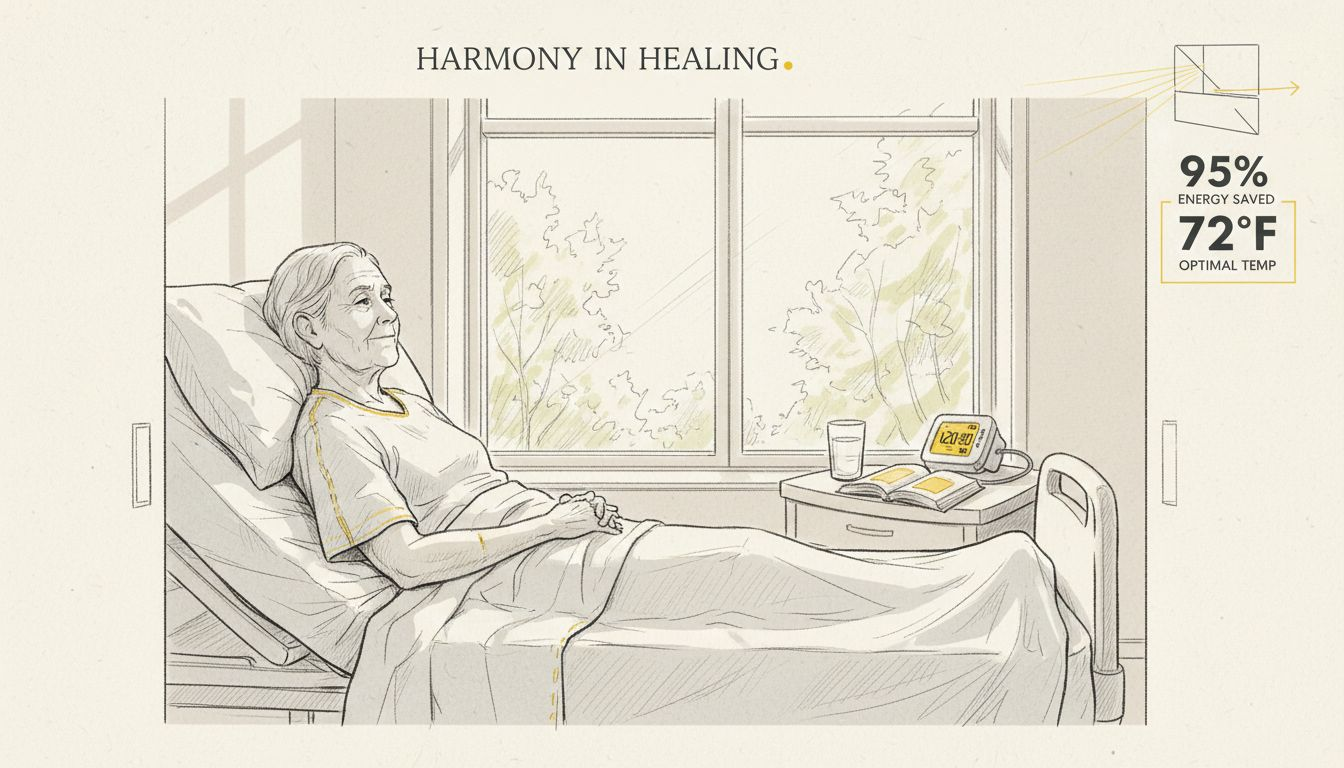
A single upgrade in daylight design can cut hospital energy costs by as much as 40 percent, transforming both patient care and bottom lines across british and European healthcare facilities. With rising energy prices and growing demand for therapeutic environments, facility managers are under pressure to find solutions that truly matter. Explore how integrating smart daylight strategies delivers measurable recovery benefits and significant savings while aligning with modern sustainability goals.
Table of Contents
Key Takeaways
Point | Details |
Importance of Daylight Design | Integrating natural light in healthcare environments significantly enhances patient recovery and staff productivity. |
Architectural Considerations | Effective daylight strategies include precise window orientation and advanced glazing technologies to optimise light distribution. |
Health Benefits | Natural light exposure leads to quicker recovery times for patients and improved workplace morale for healthcare staff. |
Sustainable Practices | Incorporating energy-efficient technologies alongside daylight design can lead to substantial operational cost savings and reduce environmental impact. |
Defining Daylight Design in Healthcare
Daylight design in healthcare environments represents a sophisticated architectural approach that strategically integrates natural illumination to enhance patient recovery, staff productivity, and overall building performance. Building spatial configurations critically influence daylight performance, transforming hospitals from mere clinical spaces into healing environments that actively support psychological and physiological well-being.
At its core, daylight design goes beyond simple window placement. It involves complex interactions between architectural geometry, facade transparency, and sophisticated simulation techniques that measure and optimise natural light distribution. Modern healthcare facilities now recognise that thoughtful daylight strategies can significantly impact patient outcomes, reducing stress, improving circadian rhythms, and potentially accelerating healing processes. Detailed studies demonstrate how building forms like courtyards directly influence daylight penetration, creating environments that balance patient comfort with energy efficiency.
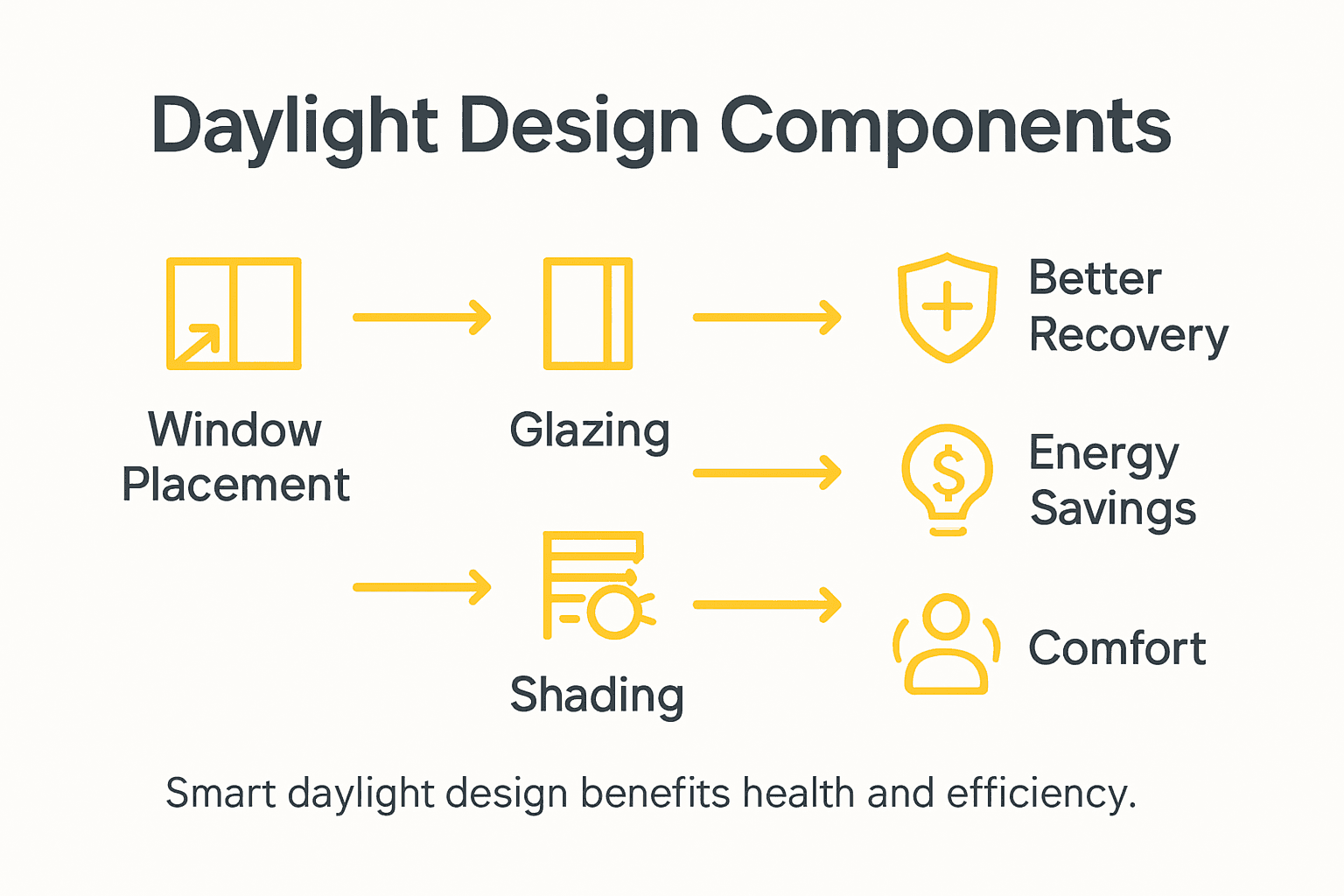
The fundamental principles of daylight design in healthcare settings include precise window orientation, strategic use of reflective surfaces, careful consideration of solar exposure, and integration of advanced light-redirecting technologies. These approaches aim to create environments that provide consistent, glare-free illumination while minimising heat gain and maintaining visual comfort. Architects and healthcare designers now collaborate closely with lighting specialists to develop nuanced solutions that meet stringent medical facility requirements.
The following table summarises the main architectural and technological components of successful daylight design in healthcare environments:
Component | Description | Primary Outcome |
Window Orientation | Aligns windows for maximum natural light | Enhanced circadian support |
Reflective Surfaces | Amplifies illumination without glare | Consistent visual comfort |
Advanced Glazing | Controls heat and light entry | Reduced energy consumption |
Dynamic Shading Systems | Adjusts light intake throughout the day | Minimized thermal discomfort |
Pro Tip - Lighting Strategy: When planning daylight design for healthcare environments, always conduct comprehensive light mapping studies to understand how natural illumination will interact with specific room geometries and patient care zones, ensuring optimal healing conditions.
Relevant Resources:
Key Daylighting Strategies and Technologies
Healthcare environments demand sophisticated daylighting strategies that go far beyond traditional architectural approaches. Evidence-based design recommendations encompass 38 critical interventions for circadian-supportive illumination, focusing on sophisticated architectural techniques that optimise natural light penetration while maintaining patient comfort and visual wellbeing.
Architectural Design Strategies play a crucial role in effective daylighting. These include precise window geometry, strategic orientation, and intelligent use of high-performance glazing technologies. Architects now employ advanced simulation tools to model light distribution, ensuring consistent illumination that supports patient healing and staff productivity. Key technological approaches involve using reflective surfaces, specialised window treatments, and dynamic shading systems that adapt to changing environmental conditions.
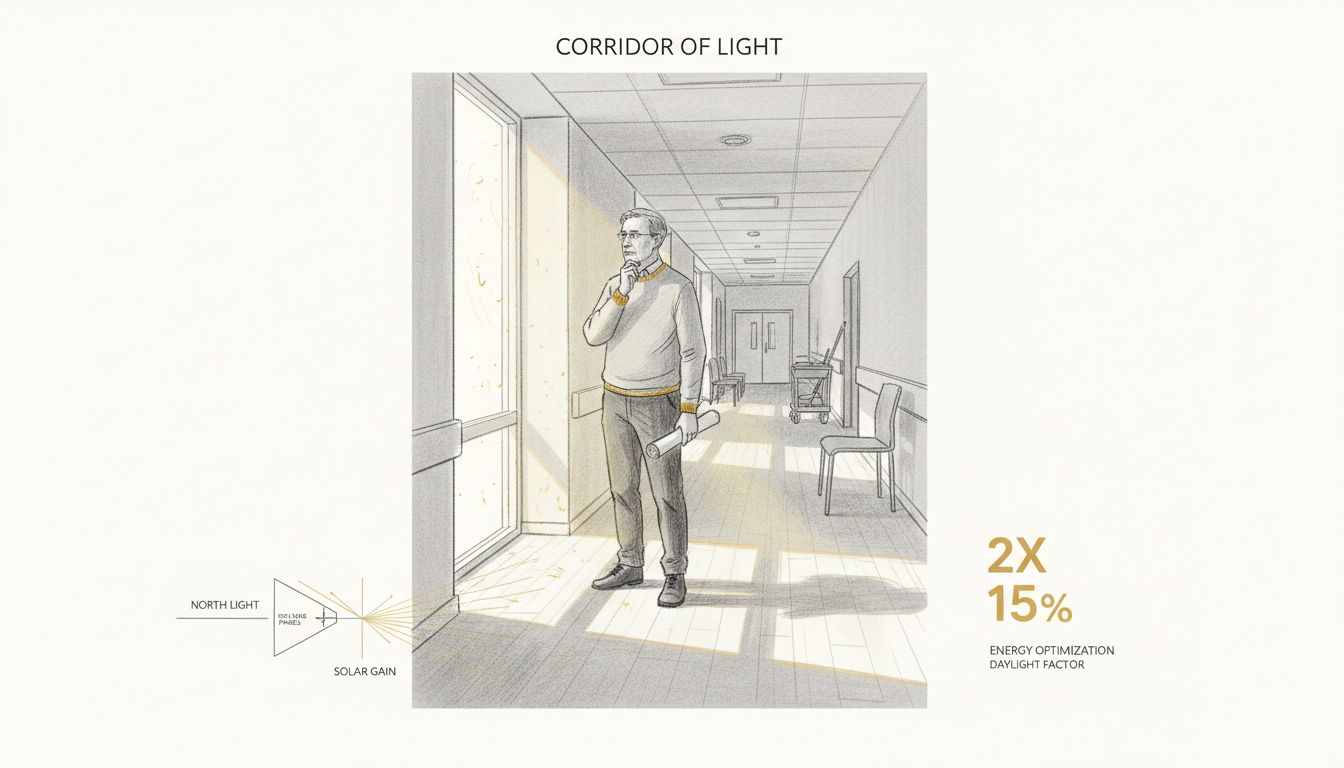
The integration of cutting-edge technologies transforms traditional healthcare lighting design. Advanced glazing materials with selective light transmission properties allow controlled solar entry, reducing heat gain while maximising natural illumination. Emerging technologies like electrochromic glass and adaptive solar control systems enable real-time adjustments, creating responsive environments that dynamically manage light quality. Natural light optimisation steps have become increasingly sophisticated, incorporating sensor networks and AI-driven control systems that continuously monitor and adjust lighting conditions.
Pro Tip - Lighting Adaptation: When implementing daylight strategies, prioritise flexible design solutions that can accommodate varied patient needs and changing environmental conditions, ensuring consistent comfort and therapeutic light exposure.
Relevant Resources:
Health and Environmental Benefits for Patients and Staff
Comprehensive research into hospital daylight exposure reveals profound physiological and psychological benefits that extend far beyond traditional healthcare design principles. Natural light plays a critical role in patient recovery, staff productivity, and overall healthcare environment performance, transforming hospitals from purely clinical spaces into holistic healing ecosystems.
Patient Health Outcomes demonstrate remarkable improvements through strategic daylight integration. Clinical studies consistently show that patients exposed to natural light experience faster recovery rates, reduced pain perception, and shorter hospital stays. Physiological mechanisms triggered by appropriate light exposure include enhanced circadian rhythm regulation, improved vitamin D synthesis, and elevated mood states. These benefits directly translate into reduced medication requirements and improved overall healing trajectories, making daylight a powerful therapeutic intervention.
Healthcare staff also experience significant advantages from well-designed lighting environments. Targeted research reveals that accessible daylight leads to elevated job satisfaction, reduced absenteeism, and enhanced workplace alertness. Professional environments with optimal natural light exposure demonstrate improved cognitive function, reduced stress levels, and higher overall workplace morale. This not only benefits individual staff members but also contributes to more effective patient care and improved institutional performance.
Here is a comparison of key patient and staff benefits resulting from effective daylight implementation in hospitals:
Benefit Type | Patient Impact | Staff Impact |
Recovery Speed | Faster healing and shorter stays | Fewer sick days |
Well-being | Improved mood and less pain | Higher morale and alertness |
Cognitive Effects | Better sleep and circadian regulation | Enhanced mental performance |
Pro Tip - Lighting Wellness: Design healthcare spaces with dynamic lighting strategies that provide consistent, glare-free natural illumination, ensuring both patient comfort and staff well-being throughout different times of day.
Relevant Resources:
Integrating Daylight with Energy Efficiency Goals
Advanced multi-objective optimization frameworks demonstrate sophisticated strategies for balancing patient environments with energy conservation in modern healthcare design. The intersection of natural illumination and sustainable energy management represents a critical evolution in architectural thinking, where technological innovation meets environmental responsibility.
Energy Management Systems now integrate intelligent daylighting technologies that dynamically respond to changing environmental conditions. These sophisticated approaches go beyond traditional passive design, utilising advanced sensors, adaptive glazing, and real-time monitoring to optimise natural light penetration while minimising thermal gain. Smart systems can automatically adjust window transparency, redirect sunlight, and modulate artificial lighting, creating environments that are both energy-efficient and therapeutically supportive.
The economic implications of integrated daylight strategies are substantial. Healthcare facilities can achieve significant energy savings by reducing artificial lighting and minimising heating and cooling requirements through strategic design. Innovative technologies like photosensitive glazing, light-redirecting panels, and AI-driven climate control systems enable precise energy management. These solutions not only reduce operational costs but also support broader sustainability goals, aligning healthcare infrastructure with progressive environmental standards and reducing carbon footprints.
Pro Tip - Efficiency Integration: When designing healthcare lighting systems, prioritise adaptive technologies that can automatically balance natural and artificial light sources, ensuring optimal energy performance and patient comfort simultaneously.
Relevant Resources:
Pitfalls to Avoid in Healthcare Daylight Design
Evidence-based reviews highlight critical architectural oversights in healthcare daylighting design, revealing complex challenges that can undermine patient well-being and building performance. Understanding these potential pitfalls is crucial for creating healing environments that genuinely support patient recovery and staff productivity.
Circadian Disruption Risks represent a significant design challenge. Inconsistent or poorly managed daylight exposure can profoundly impact patient healing processes by interrupting natural biological rhythms. Architects must carefully consider window placement, glazing technologies, and shading strategies to prevent issues like excessive glare, thermal discomfort, and unintended light cycle disruptions. Comprehensive planning requires expert simulation and multidisciplinary collaboration to navigate complex environmental interactions, ensuring that daylight design supports rather than undermines patient physiological needs.
Technological implementation presents another critical area of potential failure. Inappropriate application of adaptive glazing, miscalculated light-redirecting technologies, and inadequate sensor configurations can lead to unintended consequences. Healthcare facilities must invest in sophisticated simulation tools, engage interdisciplinary design teams, and continuously validate design interventions through empirical testing. The most successful approaches integrate dynamic control systems that can adapt to seasonal variations, patient-specific requirements, and changing environmental conditions.
Pro Tip - Design Validation: Conduct rigorous post-occupancy evaluations that systematically measure patient comfort, staff feedback, and environmental performance to identify and rectify potential daylight design shortcomings.
Relevant Resources:
Harness the Power of Daylight to Transform Healthcare Environments
The critical challenge outlined in “Daylight Design Basics: Enhancing Healthcare Environments” centres on balancing optimal natural light exposure with patient comfort and energy efficiency. Many healthcare facilities struggle with inconsistent daylight that can disrupt circadian rhythms, cause glare, or increase energy costs due to poor lighting integration. This article highlights how strategic daylight design using advanced glazing, thoughtful window orientation and adaptive shading can improve patient recovery and staff well-being while reducing energy consumption.
At LightMirror, we address these pain points with an innovative sustainable lighting system that redirects natural sunlight into hospital and care home interiors through reflective panels combined with AI-driven environmental monitoring. Our solutions not only enhance natural illumination to clinically support healing but also align with green building standards such as BREEAM and LEEDS. Explore our specialised approach in Saaremaa lighthouse | LightMirror 2023 and discover calming light environments inspired by the Calming sand | LightMirror 2023 collection.
Are you ready to optimise your healthcare facility’s daylight design and reap the full benefits of better health outcomes and energy savings today? Visit LightMirror to learn how our cutting-edge daylight solutions can transform your spaces into brighter, healthier, and more sustainable environments.
Frequently Asked Questions
What is daylight design in healthcare?
Daylight design in healthcare refers to an architectural approach that integrates natural light into healthcare environments to enhance patient recovery, staff productivity, and overall building performance.
How does natural light affect patient recovery?
Research shows that exposure to natural light can lead to faster recovery rates, reduced pain perception, and shorter hospital stays by regulating circadian rhythms and improving overall mood.
What are some key strategies for effective daylight design in healthcare facilities?
Key strategies include precise window orientation, the use of reflective surfaces, advanced glazing technologies, and dynamic shading systems that optimise natural light while minimising glare and energy consumption.
What are the environmental benefits of incorporating daylight design in healthcare?
Incorporating daylight design can lead to significant energy savings by reducing reliance on artificial lighting and decreasing heating and cooling demands, aligning healthcare facilities with sustainability goals.
Recommended
Comments